2026 Best Autonomous Forklift Features Buyers Should Know?
In today's fast-paced warehouse environments, the demand for efficiency and safety is paramount. Autonomous Forklifts have emerged as game-changing solutions for material handling. These machines combine cutting-edge technology with advanced features to optimize operations. Understanding the best features of autonomous forklifts is crucial for buyers aiming to make informed decisions.
Companies are increasingly adopting autonomous forklifts to streamline their processes. However, not all models perform equally. Some may lack essential functions that can enhance productivity. Features like advanced navigation systems and obstacle detection are vital. Buyers must evaluate these aspects critically. It is not just about choosing the latest technology; it’s about selecting the right tools for specific needs.
As the market evolves, the variety of autonomous forklifts available can be overwhelming. This complexity requires buyers to approach their choices with care. Identifying what features matter most to a business's unique circumstances can be challenging. Reflecting on the right balance between innovation and practicality ensures that you invest wisely in this transformative equipment.
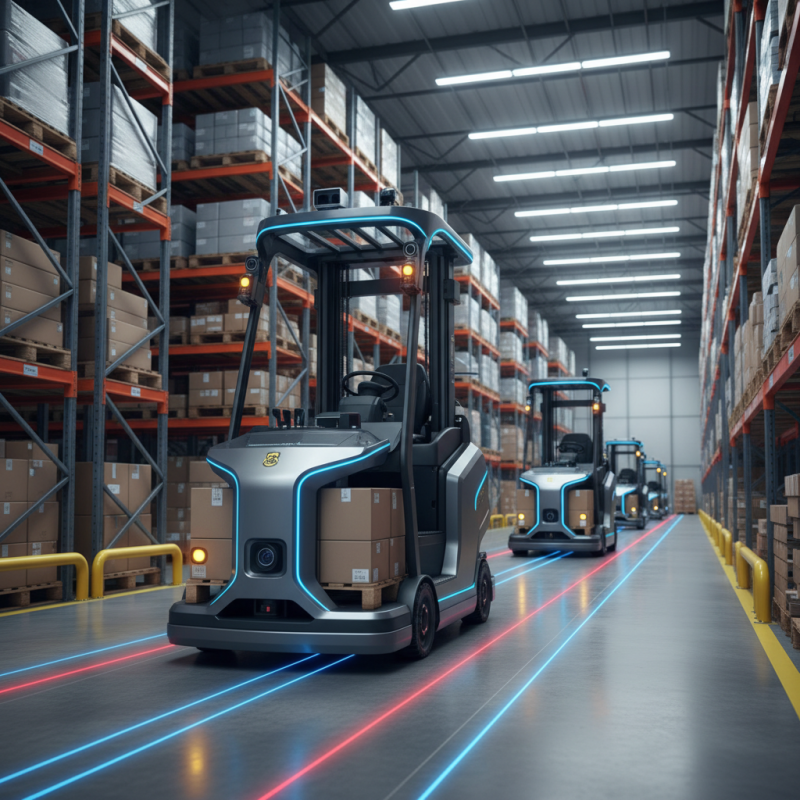
2026 Key Features of Autonomous Forklifts for Buyers to Consider
As industries move toward automation, understanding autonomous forklifts is crucial for buyers. According to a report by Markets and Markets, the autonomous forklift market is projected to grow significantly, expected to reach $13 billion by 2026. Buyers should pay attention to several key features that enhance efficiency and safety on the warehouse floor.
One important feature is advanced navigation technology. Many autonomous forklifts utilize LiDAR and computer vision for navigation. These technologies enable them to operate safely alongside human workers. However, buyers must consider the complexity of integration with existing systems. Training staff to work with these technologies can pose challenges.
Another feature is scalability. As operations grow, the ability to add more autonomous forklifts is vital. A flexible fleet can increase productivity without extensive downtime. However, potential users should evaluate their specific warehouse layouts. Confined spaces may limit maneuverability, impacting the forklifts' effectiveness. Adapting to varied environments is essential for maximizing ROI in automated solutions.
Understanding the Technology Behind Autonomous Forklift Systems
Autonomous forklifts represent a significant advancement in material handling. Understanding the technology behind these systems helps buyers make informed decisions. At their core, autonomous forklifts rely on a combination of sensors, cameras, and advanced algorithms. These components enable machines to navigate complex environments safely and efficiently.
LiDAR and ultrasonic sensors play crucial roles in mapping surroundings. They help forklifts perceive obstacles and calculate optimal paths. Cameras provide real-time visual feedback, enhancing safety and accuracy. However, these technologies are not flawless. In certain environments, such as crowded warehouses, sensor limitations can lead to challenges in navigation. Regular maintenance and calibration are essential to mitigate these issues.
Autonomous systems also use machine learning to improve performance over time. This adaptability allows forklifts to learn from past experiences. Despite their cutting-edge capabilities, human oversight remains necessary. Operators must monitor operations and intervene when needed. Balancing automation with human intervention is key to maximizing efficiency. Understanding these intricacies aids buyers in evaluating the best options for their needs.
Evaluating Safety Standards and Compliance in Autonomous Forklifts
The safety of autonomous forklifts is paramount in modern warehousing and logistics. According to a 2023 report from the International Society of Automation, over 40% of forklift accidents are linked to human error. Autonomous systems aim to reduce this risk significantly. These advanced machines are designed with multiple safety features, including obstacle detection sensors and emergency stop mechanisms.
Evaluating compliance with safety standards is critical. Autonomous forklifts must adhere to guidelines set by organizations like ANSI and OSHA in the U.S. A recent survey indicated that more than 60% of companies using autonomous solutions believe that safety compliance greatly enhances their operational efficiency. However, some users report a gap in understanding these standards. This can lead to potential misuse or oversight.
Further investigation reveals that regular training and education on safety practices are often neglected. Many workers do not fully grasp the inherent risks associated with these advanced systems. In addition, around 30% of facilities lack periodic audits on safety protocols for autonomous equipment. Addressing these issues is crucial to maximizing the benefits of autonomous forklifts.
2026 Best Autonomous Forklift Features Buyers Should Know
| Feature | Description | Safety Standard | Compliance Certification |
| Obstacle Detection | Equipped with LiDAR and camera systems to safely navigate around obstacles. | ISO 3691-4 | CE Marking |
| Load Handling | Advanced algorithms for efficient load stacking and retrieval. | NFPA 70 | UL Certification |
| Emergency Stop | Quick activation for stopping all operations during emergencies. | EN 1525 | ISO 13849 |
| Telematics | Real-time monitoring of performance, health, and maintenance needs. | ISO 61400-25 | FCC Compliance |
| User Friendly Interface | Intuitive touch screen for easy operation and settings adjustment. | ISO 9241 | ANSI Compliance |
Assessing the Cost-Benefit Ratio of Autonomous Forklift Investments
Investing in autonomous forklifts can be a complex decision for warehouse operators. The cost-benefit ratio must be carefully assessed. A recent report indicates that autonomous forklifts can reduce labor costs by up to 30%. However, initial investments can be substantial, ranging from $100,000 to $300,000 per unit.
It's crucial to evaluate not just the upfront costs but also the long-term savings. Many companies see ROI within three to five years due to reduced injury rates and improved efficiency. Data shows that automating material handling can increase operational efficiency by 40%. This is significant but requires a clear understanding of your specific needs.
Tips: Consider the size of your operation. A smaller warehouse may not benefit as much from automation. Analyze your current workforce costs to predict how much you might save. Lastly, assess integration costs into existing systems. Not every solution fits every operation, and some companies report challenges during the transition phase. One organization noted hiccups in software compatibility, underlining the need for thorough planning. Each business must evaluate whether the potential benefits outweigh the risks before making a commitment.
2026 Best Autonomous Forklift Features Cost-Benefit Analysis
Comparing Leading Brands: Performance Metrics of 2026 Autonomous Forklifts
When evaluating the leading autonomous forklifts of 2026, performance metrics play a crucial role. Speed, load capacity, and reliability are essential factors. Many models now reach speeds of up to 10 mph. This speed allows for quicker operations in busy warehouses. However, some users report that maintaining this speed can be inconsistent in complex environments.
Battery life and recharge times are also critical. Some forklifts offer continuous operation for eight hours, followed by quick recharge periods. Yet, battery degradation can affect long-term performance. Operators must carefully monitor battery health and invest regularly in maintenance.
Lift height and precision are other notable metrics. High-performance models can reach over 30 feet, but precision in load handling is often overlooked.
User experience highlights mixed results in navigation technology. Many forklifts now use advanced sensors for obstacle detection. However, some drivers find that these systems struggle in crowded aisles. Manual overrides are sometimes necessary. Reliability issues can also arise with software updates. These factors underscore the need for continuous evaluation of performance metrics in autonomous forklifts.