Top 10 Benefits of Metal Sintered Filters for Global Buyers?
In today's industrial landscape, Metal Sintered Filters are gaining significant popularity among global buyers. These filters are known for their exceptional durability and efficiency. They are crafted from layered metal powders, providing a robust filtration solution. Many industries, from pharmaceuticals to automotive, are realizing their importance.
One of the standout features of Metal Sintered Filters is their ability to withstand high temperatures and pressures. This makes them suitable for various applications. The pore structure of these filters ensures optimal flow rates while retaining particles effectively. However, understanding the nuances of these filters can be challenging for some buyers.
While the benefits are numerous, buyers should also consider potential downsides. The initial cost of Metal Sintered Filters can be higher than conventional options. Regular maintenance and careful usage are crucial for longevity. Therefore, research and expertise are vital for informed decisions. Investing time in understanding these filters ensures a reliable filtration process.
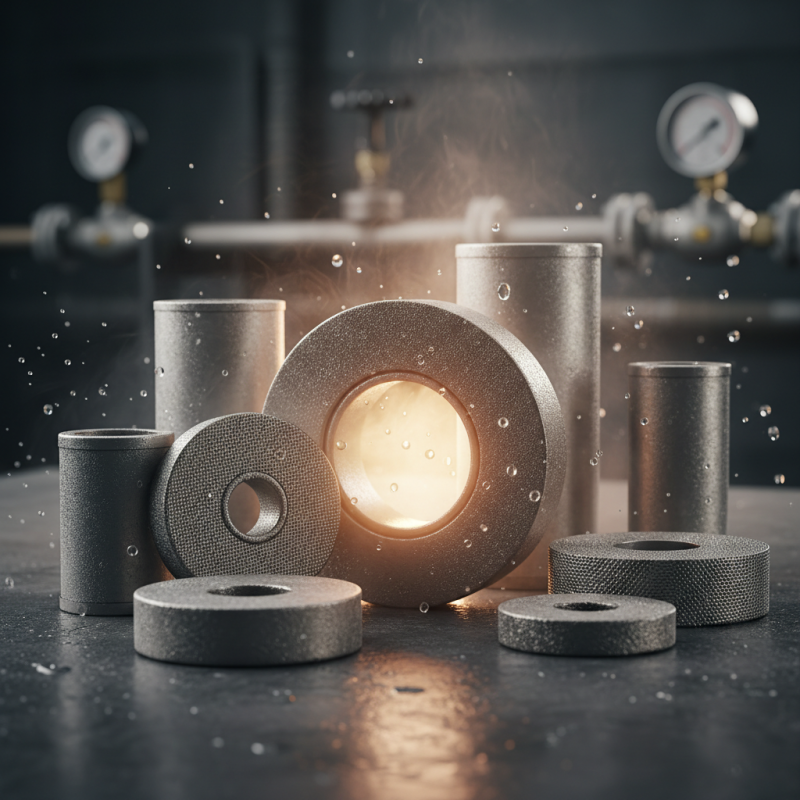
Advantages of Metal Sintered Filters in Industrial Applications
Metal sintered filters offer several advantages in industrial applications. These filters provide excellent durability, making them suitable for demanding environments. Their ability to withstand high temperatures and corrosive substances enhances their longevity. In industries like chemical processing and oil refineries, maintaining filter integrity is crucial. Metal sintered filters can perform effectively under these harsh conditions, reducing the frequency of replacements.
Moreover, their precise filtration capabilities promote operational efficiency. The uniform pore structure allows for consistent filtration of fine particles. This is especially beneficial in applications like food and beverage processing, where product purity is vital. However, the upfront investment in metal sintered filters can be significant. Buyers must weigh long-term savings against initial costs. The decision should consider the specific industrial needs and the potential for reduced downtime due to fewer filter changes.
Adoption of these filters requires careful evaluation. While they bring many benefits, not all applications will harvest the same results. Engineers and procurement teams face challenges in selecting the right filters. Understanding the specific demands of the application is essential. Analyzing performance data and maintaining clear communication with suppliers can help in making informed decisions.
Durability and Longevity of Metal Sintered Filters
Metal sintered filters are increasingly gaining attention due to their durability and longevity. These filters are engineered from high-quality metal powders. Their ability to withstand extreme conditions makes them suitable for various applications. For industries that require consistent filtration, these filters offer longevity that traditional filters cannot match.
Metal sintered filters can endure high temperatures and corrosive environments. This resistance ensures fewer replacements, saving costs in the long run. Users often report a noticeable reduction in maintenance efforts and system downtime. In harsh industrial settings, having reliable filtration can prevent unexpected failures.
Tip: When selecting a metal sintered filter, consider the specific environment where it will be used. Understanding the conditions can help you maximize its lifespan.
Despite their many advantages, there are limitations. Improper installation can lead to issues like leaks or blockages. It's essential to ensure correct fitting and regular maintenance checks. A small oversight can lead to significant consequences in operations.
Tip: Regular maintenance can highlight any potential issues early on. Schedule routine checks to ensure optimal performance of your filters.
Cost-Effectiveness of Using Metal Sintered Filters
Metal sintered filters are gaining traction due to their cost-effectiveness. These filters offer long-term savings compared to traditional options. According to a report from MarketsandMarkets, the global filtration market is projected to grow by 5.6% annually. This growth indicates a strong demand for more efficient filtering solutions.
Using metal sintered filters reduces maintenance costs. Their durability means they withstand extreme environments without frequent replacement. A study by Research and Markets states that metal filters can last up to seven times longer than polymer alternatives. This longevity reduces not only replacement costs but also downtime in industrial processes.
In addition to savings, metal sintered filters are also recyclable. This feature aligns with the growing push for sustainable manufacturing practices. However, some manufacturers may face challenges in the initial investment of metal sintered filters. It requires careful thought and planning. The upfront cost can be higher, deterring some buyers. Balancing these factors is key to making an informed choice.
Versatility of Metal Sintered Filters Across Different Industries
Metal sintered filters have gained popularity due to their versatility across multiple industries. In the automotive sector, these filters efficiently trap particulates, improving engine performance and longevity. The ability to withstand high temperatures and pressures makes them ideal for demanding environments. Not only do they enhance filtration, but they also reduce maintenance costs.
In the pharmaceuticals industry, metal sintered filters ensure the purity of liquids and gases. They can be sterilized and reused, contributing to sustainability efforts. This versatility extends to aerospace, where these filters play a crucial role in fuel systems, adding reliability to safety-critical applications. The porous structure allows for precise filtration, which is essential for high-stakes environments.
While the benefits are clear, challenges remain. Manufacturing consistency and filter lifespan can vary, depending on production methods. Buyers must carefully consider specifications to ensure performance meets their needs. Understanding these nuances is key to maximizing the advantages of metal sintered filters.
Enhanced Filtration Efficiency of Metal Sintered Filters
Metal sintered filters offer enhanced filtration efficiency, making them a popular choice for various industries. These filters are crafted through a precise manufacturing process, fusing metal particles together. This results in a robust structure that can withstand challenging environments. The pore size in metal sintered filters can be finely controlled, allowing for effective separation of particles, gases, and liquids. As a result, they achieve a high level of filtration performance.
Tips for choosing the right metal sintered filter include assessing your specific filtration needs. Consider the flow rates and materials you’ll be filtering. Each application may require different pore sizes. It’s also essential to evaluate the operating conditions, like temperature and pressure. This ensures that the filter maintains its integrity during use.
Regular maintenance of metal sintered filters can prolong their lifespan. However, some users may underestimate the importance of inspection. Neglecting filter checks can lead to decreased efficiency and system failures. Investing in proper maintenance protocols can save costs long-term and improve performance consistency.
Top 10 Benefits of Metal Sintered Filters