Top CNC Plasma Cutting Machines Which One Is Best?

Choosing the best Cnc Plasma Cutting Machine requires more than comparing torch amperage or advertised cutting speed. Grand View Research reports that the global plasma cutting machine market is expanding steadily, supported by demand from fabrication, construction, and automotive manufacturing. That growth reflects a practical reality: buyers need cleaner edges, lower downtime, and predictable operating costs. Yet market forecasts vary. No single report captures every workshop’s conditions.

The right machine should match material thickness, duty cycle, table size, software compatibility, and available power. A 45-amp unit may slice thin steel efficiently, while a 105-amp system handles heavier plate with greater confidence. Watch the cut edge. Dross, bevel, and warping reveal more than a brochure does. Energy consumption and consumable life also deserve attention. Small losses become expensive over thousands of cuts.

Jim Colt, a long-time plasma-cutting educator and former Hypertherm technical specialist, has emphasized this principle: “The best plasma cutter is the one that matches your application.” That advice remains useful, although it sounds almost too simple. Independent testing from manufacturers, ISO 9013 cut-quality guidance, and operator experience should support any buying decision. This guide compares leading machines through those lenses, including accuracy, automation, service support, and real-world productivity. Performance claims can be imperfect. Your material, maintenance habits, and operator skill still matter.
Top CNC Plasma Cutting Machines Which One Is Best?

What Is a CNC Plasma Cutting Machine?

What Is a CNC Plasma Cutting Machine?

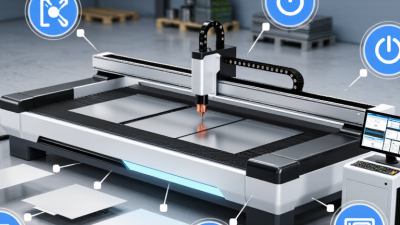
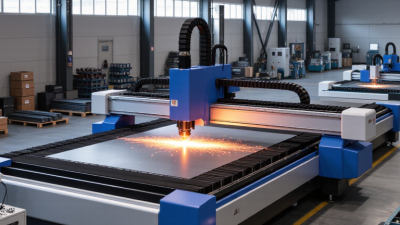
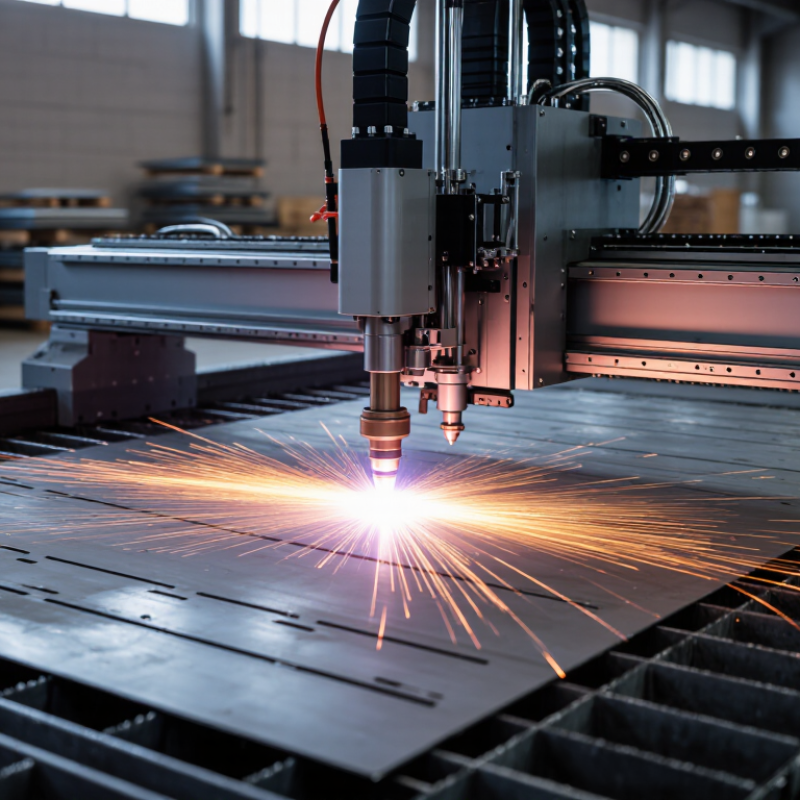
A CNC plasma cutting machine uses a computer-controlled torch to cut electrically conductive metal. The torch creates an electric arc between an electrode and the workpiece. Compressed air or another approved gas becomes plasma, reaching extreme heat and melting a narrow path. The CNC controller guides the torch along programmed coordinates. This produces repeatable shapes with less manual marking. It can cut steel, stainless steel, and aluminum in many thicknesses. It cannot cut wood, plastic, or other nonconductive materials.

In practical shop use, accurate results depend on more than torch power. Material thickness, air pressure, cutting speed, and torch height all affect the edge. A poorly prepared plate may create slag, beveling, or an uneven corner. The first cut is rarely perfect. Checking a test piece saves material and exposes setup problems early. Good machines also include stable tables, height sensing, grounding, and clear control software. These features improve reliability, but they do not replace operator judgment.

Tips: Keep the metal surface clean and flat. Use the recommended air quality and pressure. Inspect consumable parts before detailed work. Begin with a simple test pattern. Record successful settings for future jobs, while remembering that every sheet can behave slightly differently.

How CNC Plasma Cutting Machines Work

Top CNC Plasma Cutting Machines Which One Is Best?

How CNC Plasma Cutting Machines Work

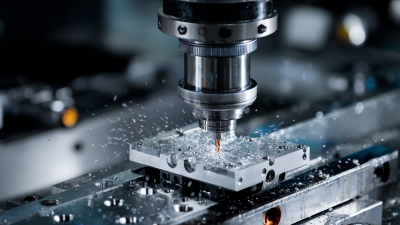
A CNC plasma cutting machine uses heat and motion to cut conductive metal. It combines a plasma torch, compressed gas, power supply, and computer-controlled movement. The process begins when an electrical arc ionizes the gas inside the torch. This creates a narrow plasma stream with extremely high heat. The arc melts the metal, while fast-moving gas removes the molten material from the cut. The controller follows programmed coordinates, guiding the torch across the sheet. The result can be a clean profile with repeatable dimensions.

Cut quality depends on material thickness, cutting speed, amperage, and torch height. Thicker steel usually needs more power and slower movement. Thin sheet can warp when heat builds up. A practical workshop check includes inspecting the bevel, dross, and edge color. Excessive dross often signals incorrect speed or gas pressure. Small errors matter. They can affect later welding or assembly. One common mistake is trusting factory settings without testing the actual material. Conditions change, and the machine may need adjustment.

Tips: Keep the torch nozzle clean and inspect electrode wear regularly. Set the correct pierce height before cutting. Secure the sheet flat and remove surface rust when possible. Watch the first cut closely. Record successful settings for future jobs, but review them instead of copying blindly. Safety glasses, gloves, ventilation, and proper training remain essential.

Key Features for Comparing CNC Plasma Cutters

Choosing a CNC plasma cutter starts with measurable performance, not marketing claims. ISO 9013:2017 classifies thermal-cut quality into five ranges, covering features such as edge angle, roughness, and dross. Ask suppliers for test coupons cut from your usual steel thickness. A clean 12 mm mild-steel edge matters more than a headline amperage figure.

Compare the duty cycle, cutting speed, torch height control, and software workflow. A machine rated for 100 A may pierce thick plate, but repeated piercing can expose weak cooling or poor consumable life. The U.S. Department of Energy’s Industrial Decarbonization Roadmap identifies energy efficiency as a practical near-term priority. Therefore, record power use, compressed-air pressure, and idle time during trials. Consumable cost is often overlooked. It quietly changes the real hourly rate.

Tips: Check the manufacturer’s data against ISO 9013 requirements. Test small holes, sharp corners, and long straight cuts. Review at least three samples. Operator experience also matters; even advanced automation cannot correct damp air, unstable grounding, or incorrect pierce height. Some specifications remain unclear. That is a reason to measure, not assume. A slightly slower cutter may deliver better accuracy, fewer rejected parts, and more predictable maintenance.

Top CNC Plasma Cutting Machine Types and Their Uses

Top CNC Plasma Cutting Machines: Which One Is Best?

Top CNC Plasma Cutting Machine Types and Their Uses

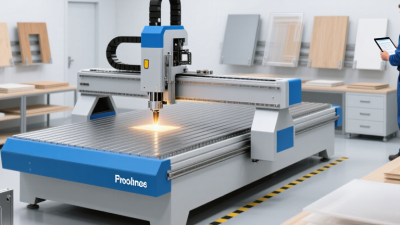
CNC plasma machines differ by torch power, table design, and cutting control. Air plasma systems suit small workshops and repair teams. They cut mild steel, stainless steel, and aluminum at moderate thicknesses. A compact table can produce brackets, signs, panels, and replacement parts. Keep the compressor dry and stable. Moisture can shorten consumable life and roughen the cut edge.

High-definition plasma systems serve production work requiring tighter tolerances. They use refined gas control, precise torch-height sensing, and carefully managed piercing cycles. These machines are useful for machine frames, architectural panels, and repeated metal components. A water-table design reduces smoke, heat, and visible warping. A downdraft table may work better when indoor air control matters. Neither setup solves every problem.

Tube-capable CNC plasma machines add a rotary axis for round or square sections. Fabricators use them for railings, supports, pipe joints, and custom furniture. Software quality matters as much as torch power. Poor nesting can waste more metal than a slower cutting speed. In practical testing, thin sheet often exposes vibration and incorrect height settings quickly. I would not choose the largest system automatically. A smaller, rigid table may deliver cleaner parts when the workload is limited. Even experienced operators need to inspect bevel angle, dross, and pierce marks before trusting a new cutting profile.

Top CNC Plasma Cutting Machines: Which One Is Best? - Top CNC Plasma Cutting Machine Types and Their Uses

CNC Plasma Machine Type Typical Cutting Thickness Best Materials Typical Cutting Quality Main Uses Key Advantages Important Limitations Best Choice For
Entry-Level Air Plasma CNC Approximately 0.5–20 mm, depending on power and material Mild steel, stainless steel, aluminum and other electrically conductive metals Good for general fabrication; moderate edge squareness and finish Small parts, brackets, signs, repair work and workshop projects Lower purchase cost, simple operation and relatively low maintenance Compressed-air quality affects results; consumables wear faster in demanding production Hobby users, training centers and low-volume metal fabrication shops
Conventional Mechanized Plasma Approximately 6–50 mm; maximum capacity varies with the power source Mild steel, stainless steel and aluminum Reliable production quality with a visible heat-affected zone Structural parts, agricultural equipment, frames, panels and general fabrication Higher speed and repeatability than manual cutting; suitable for continuous work Not ideal for very fine details or precision parts requiring minimal taper General-purpose fabrication and medium-volume production
High-Definition Plasma Approximately 1–50 mm for production cutting; piercing capacity is usually lower than maximum cut capacity Mild steel, stainless steel and aluminum High precision, improved edge squareness and reduced bevel compared with conventional plasma Machine parts, electrical cabinets, automotive components and precision sheet-metal work Excellent productivity, accurate holes and consistent cut quality Higher equipment and operating costs; requires careful setup and clean, dry gas Professional manufacturers that need accurate parts and repeatable results
High-Current Heavy-Duty Plasma Approximately 25–80 mm for production work; thicker materials may require slower speeds and multiple operations Carbon steel, stainless steel and aluminum plate Strong production performance on thick plate; finish depends on amperage and process settings Heavy machinery, bridges, steel structures, ship components and industrial equipment Fast removal of large amounts of metal and high throughput on thick plate High energy consumption, larger kerf and greater heat input than thin-sheet systems Heavy-fabrication companies processing thick plate regularly
Water-Table CNC Plasma Commonly about 1–50 mm, depending on the plasma system and table design Mild steel, stainless steel and aluminum Comparable to the installed plasma power source, with reduced smoke and heat distortion Indoor production, sheet-metal parts, signage and workshops with strict emission control Captures smoke and sparks, reduces noise and helps control plate warping Requires water maintenance, corrosion control and safe handling of contaminated water Workshops that prioritize cleaner air and reduced thermal distortion
Downdraft CNC Plasma Commonly about 1–40 mm, based on the cutting power and extraction design Mild steel, stainless steel and aluminum Consistent quality when airflow and extraction are correctly balanced Dry cutting, production floors, custom parts and facilities without a water table Effective fume extraction without managing a water tank Needs suitable ducting, filters and ventilation; operating cost depends on extraction demand Factories requiring dry cutting and integrated ventilation
Bevel-Cutting CNC Plasma Typically about 3–40 mm, depending on bevel angle, material and plasma process Mild steel, stainless steel and aluminum Produces programmable angled edges, commonly used for weld preparation Pipe joints, structural beams, pressure-vessel parts and welded assemblies Reduces secondary grinding and prepares edges for accurate welding More complex programming, slower bevel cuts and higher initial machine cost Fabricators producing parts that require V-, A- or K-type weld preparations
Tube and Pipe CNC Plasma Commonly handles thin to medium wall thicknesses, often about 1–25 mm Carbon-steel, stainless-steel and aluminum round, square or rectangular tubing Accurate profile cutting and hole placement around curved or polygonal surfaces Frames, handrails, trusses, exhaust components and modular structures Automates rotary positioning, slot cutting and intersecting tube connections Less suitable for large flat plates unless equipped with a combination table Manufacturers whose main work involves tube and pipe assemblies

Note: Thickness ranges are typical working estimates, not guaranteed specifications. Actual performance depends on plasma amperage, material grade, plate thickness, cutting speed, gas quality, torch height control, consumable condition and machine configuration.

How to Choose the Best CNC Plasma Cutter for Your Needs

Choosing the best CNC plasma cutter starts with your actual cutting work, not advertised speed. Measure your usual steel thickness, sheet size, and daily production hours. A compact table may suit repair work. A larger bed handles full sheets but needs more floor space. Match the power source to the thickest material you regularly cut. Do not choose only by maximum ratings. Real results depend on material, air quality, speed, and consumable condition.

I recommend checking the drive system, torch height control, and motion accuracy during a live test. The torch should pierce consistently without excessive beveling or dross. Ask for sample cuts in your common thicknesses. Inspect small holes, corners, and long straight lines. These details expose weaknesses quickly. A reliable air dryer and filtration system also matter. Moisture can damage consumables and create unstable arcs. The machine should offer clear maintenance access and documented settings. Good technical support helps when calibration goes wrong.

Software deserves equal attention. Look for simple nesting, accurate kerf compensation, and editable cutting parameters. Confirm that the controller accepts common design files. Safety features should include emergency stops, grounding, guarding, and fume extraction. I once focused too much on cutting speed and underestimated setup time. That mistake reduced productivity. I still think a slower machine can be better when it produces repeatable parts. Calculate consumable costs, electricity, installation, training, and maintenance. A hands-on demonstration often reveals more than a specification sheet.