What You Need to Know About Cabin Filters?
When it comes to vehicle maintenance, the Cabin Filter is often overlooked. This vital component plays a crucial role in your driving experience. It filters out dust, pollen, and harmful pollutants from the air entering your car. A clean cabin filter ensures that you and your passengers breathe pure air, promoting comfort and health.
However, many drivers are unaware of how often to replace this filter. A clogged cabin filter can hinder airflow and affect the performance of your vehicle's ventilation system. It's not just about clean air; a neglected cabin filter can lead to unpleasant odors and more significant repair costs down the line.
Routine checks and replacements of the cabin filter could save you trouble. Yet, some drivers often forget this simple task. By understanding the importance of the cabin filter, you can enhance your driving environment. Don't let this small component go unnoticed; it serves a big purpose in your vehicle.
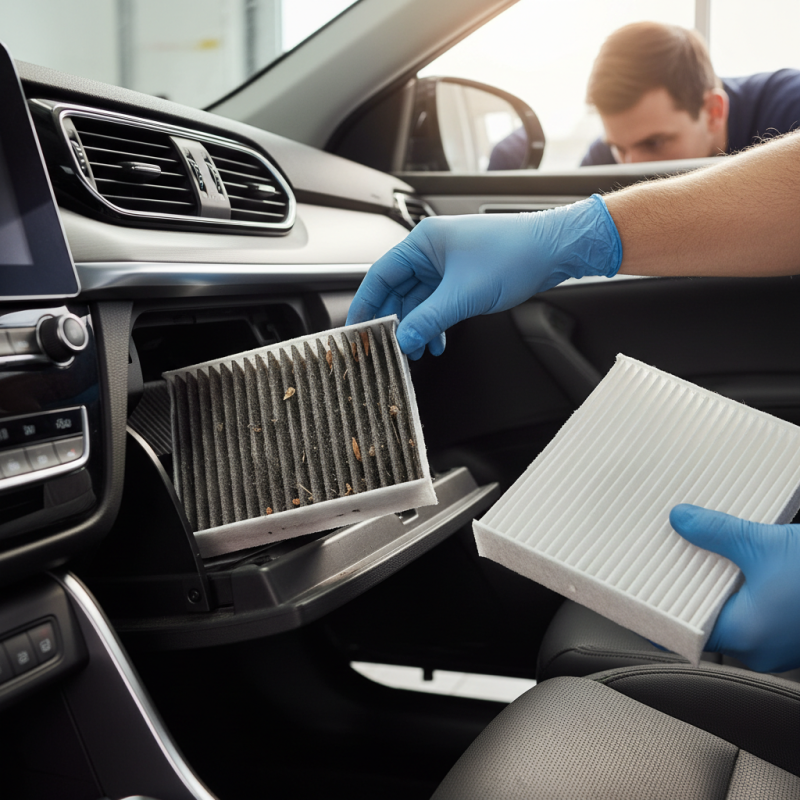
What Is a Cabin Filter and Its Role in Vehicle Air Quality?
A cabin filter is a crucial component of your vehicle's ventilation system. It filters out pollutants, dust, and allergens from the air entering the cabin. This helps improve air quality inside your car. Without it, harmful particles can easily circulate. This can lead to health problems for passengers.
Over time, cabin filters get dirty and clogged. A clogged filter can restrict airflow. This means that the heating and cooling systems may not work efficiently. You might notice strange odors or reduced air quality. Regular maintenance of the cabin filter is often overlooked. Changing it periodically can enhance your driving experience.
Ignoring the cabin filter can have unpleasant consequences. It may lead to respiratory issues, especially for those with allergies. Some people might not realize the link between a simple filter and their health while driving. Failing to replace it could also damage the vehicle's HVAC system. Keeping up with this small task can ensure cleaner air and a more comfortable ride.
Types of Cabin Filters: Understanding HEPA, Carbon, and Particle Filters
Cabin filters play a crucial role in ensuring air quality inside vehicles. There are various types, mainly HEPA, carbon, and particle filters. Each serves distinct purposes that can significantly impact drivers and passengers. According to a recent industry report, HEPA filters can trap over 99% of airborne particles, making them an excellent choice for allergy sufferers.
HEPA filters excel in their ability to capture small particles, such as dust and pollen. However, they may also restrict airflow if not maintained properly. This can lead to reduced cabin ventilation. On the other hand, carbon filters are particularly effective at absorbing odors, smoke, and volatile organic compounds (VOCs). Research indicates that using carbon filters can lower harmful chemical concentration by up to 70%.
Particle filters focus on larger particulates. They can effectively eliminate soot and debris from the air. Yet, they may not adequately trap microscopic allergens. A study by the Environmental Protection Agency noted that improper installation can lead to air leaks, diminishing their effectiveness. Regular maintenance is vital for maximizing the benefits of each filter type. The right choice depends on individual needs and environmental conditions.
Signs Your Cabin Filter Needs Replacement: Key Symptoms to Watch For
A cabin filter is essential for clean air in your vehicle. Over time, it can become clogged with dust, pollen, and other debris. This may lead to several noticeable signs that your cabin filter needs replacement.
One common symptom is reduced airflow through the vents. If you notice that the air coming in feels weak or stagnant, it’s a strong indicator. Another sign is unpleasant odors inside the cabin. If stale or musty smells linger, it could be due to a dirty filter. You might even experience increased dust settling on surfaces inside your car. This dust may indicate the filter isn’t trapping particles effectively.
Pay attention to these signs. Ignoring them could lead to health issues, especially for those with allergies. Regular maintenance is essential, but many people overlook this simple task. It’s a small step that significantly impacts your driving experience. Changing the cabin filter regularly can improve air quality and comfort on the road.
Impact of Cabin Filters on Allergies and Respiratory Health Statistics
Cabin filters play a crucial role in enhancing indoor air quality in vehicles. They trap dust, pollen, and other particles. This is especially important for individuals with allergies or respiratory issues. Regularly changing cabin filters can significantly impact how clean the air is inside your car. In fact, dirty filters can lead to an increase in allergic reactions.
Statistics show that poor air quality in vehicles can worsen respiratory health. Many people spend hours in their cars daily. During this time, they are exposed to airborne allergens and pollutants. Over time, this can lead to chronic health issues. Some may ignore the importance of cabin filters, thinking they are not necessary. However, neglecting to replace them can compromise health and comfort.
In conclusion, maintaining healthy cabin filters is more than a chore; it's vital for well-being. Awareness of cabin filter maintenance can lead to better air quality. It’s essential to reflect on how these simple components can affect our lives. Regular checks and replacements may seem tedious but are essential for protecting our health. Ignoring them might lead to greater issues down the line.
Impact of Cabin Filters on Allergies and Respiratory Health
This chart illustrates the correlation between the use of cabin filters in vehicles and the reported cases of allergies and respiratory issues. The data showcases the percentage of individuals suffering from these health issues in relation to how frequently cabin filters are replaced.
Best Practices for Cabin Filter Maintenance and Replacement Schedules
Cabin filters play a crucial role in maintaining air quality inside vehicles. They trap dust, pollen, and other particles. Regular maintenance is key to ensuring optimal performance. Experts recommend replacing cabin filters every 15,000 to 30,000 miles, depending on driving conditions. In urban areas with high pollution, more frequent changes may be necessary.
Tips: Check your owner’s manual for specific recommendations on filter replacement. If you notice reduced airflow or unpleasant odors, it’s time for a change.
Improper maintenance can lead to various issues. Clogged filters can hinder airflow, making your vehicle's climate control less effective. A report indicated that dirty filters could reduce air quality by up to 30%. It’s essential to inspect the cabin filter at least once a year.
Tips: Consider a DIY inspection. Removing the filter is often straightforward. Take note of how dirty it is and gauge the need for replacement. Regular maintenance may prevent costly repairs down the line. Remember, neglecting your cabin filter is a missed opportunity for cleaner air.
What You Need to Know About Cabin Filters? - Best Practices for Cabin Filter Maintenance and Replacement Schedules
| Filter Type | Replacement Interval (Miles) | Common Symptoms of Wear | Maintenance Tips |
| Particulate Cabin Filter | 15,000 - 30,000 | Reduced airflow, unpleasant odors | Inspect every season; replace if dirty |
| Activated Carbon Filter | 15,000 - 25,000 | Dust buildup, bad smells from environment | Check regularly; can replace every other oil change |
| HEPA Cabin Filter | 30,000 - 50,000 | Increased allergens, foggy windows | Clean periodically; ideal for allergy sufferers |
| Electrostatic Filter | 12,000 - 20,000 | Poor air quality, unnecessary HVAC strain | Regular cleaning recommended; replace if damaged |