2026 How to Choose the Best Anchor Drill Rig for Your Needs?
Choosing the right Anchor Drill Rig can be a challenging task. With multiple options available, understanding your specific needs is crucial. An anchor drill rig is essential in various construction and geotechnical applications, making the selection process significant.
Consider factors like the depth of drilling and soil conditions when evaluating rigs. Each project has unique requirements. For instance, some rigs excel in rocky terrain, while others are better suited for softer soils. Additionally, a rig’s capacity, portability, and ease of use vary. Inspecting these aspects ensures you choose a reliable tool.
Seek expert advice and compare models. Look into user reviews and case studies. These resources provide insight into performance and durability. Not all rigs perform as advertised. It's vital to reflect on what truly meets your operational standards and budget. Trust the process, and find the right anchor drill rig for your next project.
Understanding Anchor Drill Rig Types and Their Features
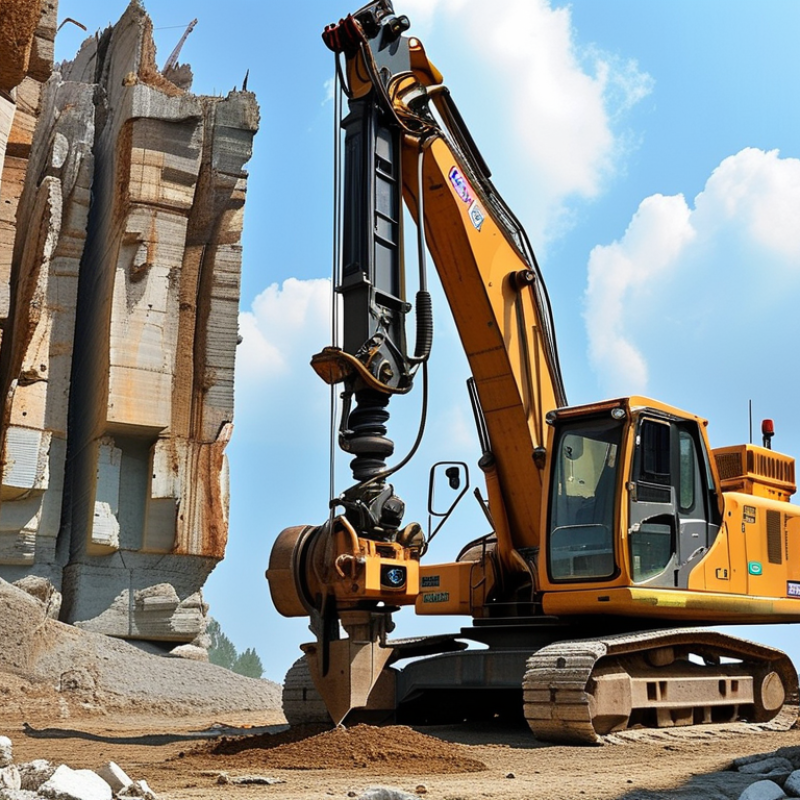
When selecting an anchor drill rig, understanding the types and their specific features is crucial. Anchor drill rigs generally fall into two categories: rotary and impact. Rotary rigs are suited for creating precise boreholes in various soil types. Their design allows for effective rotation, ensuring a clean and accurate drilling process. On the other hand, impact rigs excel in tougher, rockier conditions. They utilize high-impact forces to penetrate hard surfaces swiftly.
Considering additional features can enhance your drilling experience. Rig mobility is important. Some rigs are compact and designed for tight spaces. Others are larger and require more setup time. Assessing power sources is also vital. Electric rigs can provide cleaner operation, while diesel may offer greater power. Moreover, automation features can save time and reduce physical strain. However, too many automated processes might lead to over-reliance, risking safety.
Understanding your project's specific needs will guide your choice effectively. Each type of rig comes with its trade-offs. Your location, soil condition, and budget will all influence your decision. Choosing a rig is not just about functionality; it's also about matching capabilities to the environment. Reflecting on past projects can help refine your choices.
Key Specifications to Evaluate for Optimal Performance
When selecting an anchor drill rig, several key specifications can significantly influence performance. Power is crucial. This includes horsepower and torque ratings. A rig with higher horsepower can handle tougher drilling conditions. Torque is equally important. It affects how effectively the rig can penetrate various soil types. Consider the ground conditions you will encounter frequently.
Mobility is another essential aspect. Lightweight rigs are easier to transport and maneuver. However, they must maintain stability during operation. Assessing the rig's footprint can also help in tight job sites. Depth capability matters as well. Ensure the rig can reach the necessary depths for your projects.
Equipment reliability cannot be overlooked. Look for rigs with a history of dependable performance. Maintenance requirements should also be considered. Some rigs may need frequent servicing, which can lead to downtime. Read user reviews and case studies to gauge real-world performance. Choosing wisely will lead to smoother operations and better outcomes.
Comparative Analysis of Hydraulic vs. Electric Drill Rigs
When selecting an anchor drill rig, the choice between hydraulic and electric systems is critical. Hydraulic rigs typically offer higher torque and are better suited for demanding applications. Reports indicate that hydraulic systems can exert torque levels exceeding 300 Nm. However, they may also consume more energy and require extensive maintenance.
Electric drill rigs, on the other hand, are increasingly popular in urban and environmentally sensitive areas. They produce fewer emissions and operate more quietly, making them ideal for use in residential zones. Data shows that electric rigs can reduce operational costs by up to 30% over time. Yet, their torque is often limited, with maximum outputs around 200 Nm.
Deciding on the right drill rig involves weighing the advantages and drawbacks of both systems. Site conditions, regulatory compliance, and project scope all play significant roles. Some users have expressed concerns about the reliability of electric systems in harsh environments. Conversely, the heavy-duty nature of hydraulic systems can lead to higher fuel costs. Balancing these factors is key to choosing the best rig for your specific needs.
2026 How to Choose the Best Anchor Drill Rig for Your Needs? - Comparative Analysis of Hydraulic vs. Electric Drill Rigs
| Feature | Hydraulic Drill Rig | Electric Drill Rig |
| Power Source | Hydraulic fluid | Electricity |
| Mobility | Less mobile, heavier | More mobile, lighter |
| Maintenance | Higher maintenance | Lower maintenance |
| Noise Level | Louder | Quieter |
| Cost | Generally higher | Generally lower |
| Ideal Use Cases | Heavy-duty projects | Residential and light projects |
Analyzing Your Project Needs: Depth, Diameter, and Soil Conditions
When selecting the best anchor drill rig, understanding your project’s specific needs is crucial. Projects vary significantly in terms of depth, diameter, and soil conditions. According to a report by the International Association of Drilling Contractors, nearly 70% of drilling failures stem from a mismatch between equipment and project requirements. This indicates the importance of carefully analyzing parameters before making a decision.
Depth is an essential factor. Projects may require drilling up to 100 meters deep, depending on the foundation type and soil composition. For instance, loose, sandy soils can pose challenges, requiring a more robust rig for stability. Furthermore, diameter influences the choice of rig. Larger diameters may necessitate specialized equipment to maintain structural integrity.
Soil conditions also play a vital role. The Soil Mechanics Institute states that 65% of drill rig inefficiencies occur due to inadequate soil analysis. Understanding the soil type helps in selecting the appropriate drill bit and rig specifications. Failing to consider these factors can lead to project delays and budget overruns. Be mindful of these elements during the decision-making process.
Choosing the Best Anchor Drill Rig for Your Needs
Budget Considerations: Initial Investment vs. Long-term Operational Costs
When selecting an anchor drill rig, budget considerations extend beyond the initial investment. Many operators focus solely on purchase price. However, a comprehensive understanding of long-term operational costs can significantly impact profitability. A study by the International Society for Rock Mechanics indicates that maintenance and operational expenses can account for up to 30% of a rig's total lifetime costs.
Understanding fuel consumption is vital. For example, some rigs consume 10 to 20 gallons of fuel per hour. This adds up swiftly, impacting your bottom line. Additionally, operators should consider maintenance frequency. A more economical rig might have lower servicing intervals, leading to increased downtime and costs. It's crucial to assess not just what you spend initially, but how your choices will reshape your financial landscape in the long run.
Labor costs also play a crucial role. According to industry reports, skilled operators command higher wages. A reliable machine that requires less training can offset these costs. Long-term operational assessments should factor in potential training expenses. Investing in advanced rigs can reduce these needs, ultimately yielding a better return. As you navigate these factors, the key is to evaluate total cost over the equipment's lifespan, ensuring you balance performance against long-term financial commitments.