How to Choose the Best Restroom Stall Walls for Your Needs?
Choosing the right Restroom Stall Walls can significantly impact the overall experience of a public restroom. Multiple factors come into play, including material, design, and maintenance. Each choice has its pros and cons. For example, you might prefer steel for durability but dislike its cold feel.
Consider how these walls contribute to privacy. Some designs offer better sound insulation than others. This can affect comfort levels. The aesthetic appeal also matters; a bright, inviting stall can enhance user satisfaction. Yet, you must also think about cleaning. Some materials are a nightmare to maintain.
Reflect on your specific needs. Will heavy use be a factor? What about budget constraints? Understanding these aspects will guide your choices. Restroom stall walls should ensure safety and comfort while being easy to clean and maintain. Finding the right balance can be challenging. However, it’s worth the effort for a better restroom experience.
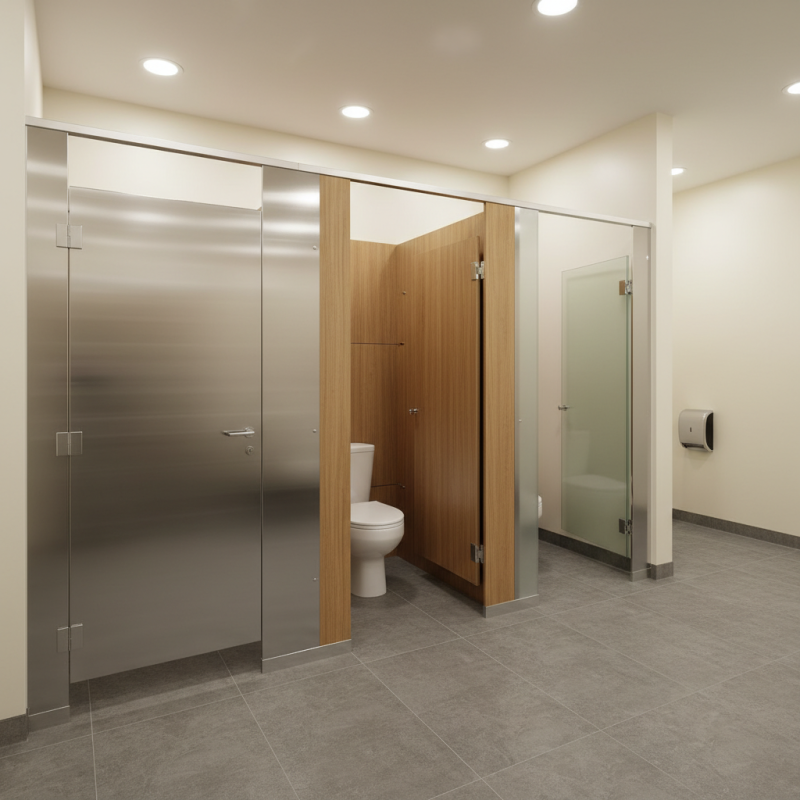
Understanding the Different Types of Restroom Stall Wall Materials
When selecting restroom stall wall materials, understanding options is crucial. The most common types include plastic, metal, and laminate. Each material offers distinct advantages and drawbacks. For instance, plastic walls are light and resistant to moisture. However, they may not withstand heavy impacts as well as metal.
Metal stall walls, made from stainless steel, provide durability and a modern look. They are resistant to damage but can show fingerprints easily. Meanwhile, laminate options feature a wide variety of colors and patterns. They can mimic natural materials, yet they are prone to chipping or delamination over time.
Choosing the right material involves considering not just aesthetics but functionality as well. Reflecting on past choices can be enlightening. Have the materials held up over time? Are they easy to clean? Sometimes, the best option might not be the most obvious one. Factor in maintenance and user experience. Each decision shapes the restroom environment significantly.
Evaluating Durability and Maintenance Requirements for Stall Walls
Choosing the right restroom stall walls involves careful consideration of durability and maintenance. Different materials have varying lifespans. For instance, some options can withstand heavy use, while others show wear quickly. It’s essential to assess how much traffic the stalls will endure. High-traffic areas require sturdier materials, like fiberglass or solid plastic, to avoid frequent replacements.
Maintenance is another critical factor. Some materials need regular cleaning and special care. Others are more forgiving and can handle everyday messes better. How often do you plan to clean the stalls? A wall that seems easy to maintain could quickly become a burden. Choosing materials that resist stains and scratches may save time. Also, consider the costs of repairs and replacements. Although a cheaper option may seem appealing, it could turn into a continuous expense. Think about long-term benefits versus short-term savings. Evaluating these factors can lead to better decisions.
Assessing Privacy and Aesthetic Considerations in Design Choices
When selecting restroom stall walls, privacy is a top priority. Users desire a sense of security. Consider materials that block sound and limit visibility. Tall panels made from solid plastic or metal often offer better coverage. Users feel more comfortable when they know they are shielded from others.
Aesthetic choices are equally important. The look of the restroom impacts user experience. Choose colors and finishes that complement the surroundings. Light colors can create a spacious feel, while darker shades can add a touch of elegance. Artwork or textures on the walls could enhance the atmosphere.
Tips: Think about maintenance too. Choose materials that are easy to clean. This prevents unsightly stains and odors. Regular upkeep reflects well on your business. Always gather feedback from users. Small adjustments can make a significant difference in satisfaction.
Budgeting for Installation and Long-term Costs of Stall Walls
When budgeting for the installation and long-term costs of restroom stall walls, several factors need consideration. Initial costs can vary widely based on material choice, which typically includes options like plastic, metal, or laminate. A 2022 report from the Facility Maintenance Association indicated that restroom partitions can cost anywhere from $300 to $1,000 per stall. While cheap options may seem appealing, consider their durability and maintenance needs.
Long-term costs aren't just about purchase price. Regular maintenance can add up significantly. For instance, materials like metal are prone to rust if not coated correctly. This can lead to increased costs over time. Additionally, consider the cost of cleaning supplies. A survey from the American Cleaning Institute highlighted that restroom cleaning can account for up to 20% of facility maintenance expenses.
It's essential to review life cycle costs. A study by the Institute for Building Efficiency estimated that investing in high-quality stall walls could reduce replacement frequency by up to 40%. This can ultimately save money. It's crucial to balance initial investment with the longevity of materials. Don’t overlook warranty options, as they can provide financial relief for unexpected repairs.
Compliance with Health and Safety Regulations in Restroom Stall Selection
Choosing restroom stall walls requires careful consideration of health and safety regulations. According to the Center for Disease Control and Prevention (CDC), clean facilities significantly reduce the spread of germs. Heightened awareness of hygiene means that restroom designs must comply with local health standards.
One key factor is the material used for stall walls. Materials like phenolic resin are durable and resistant to moisture. They are easier to clean and sanitize. A report from the National Sanitation Foundation highlights that non-porous surfaces can cut contamination rates by up to 50%. These statistics remind us that selecting the right materials can impact public health.
Accessibility is another consideration. The Americans with Disabilities Act (ADA) outlines specific requirements for restroom access. Some stalls may not meet these guidelines, inadvertently excluding individuals with disabilities. Regular reviews of restroom compliance can identify potential issues. Addressing these can improve inclusivity and create a safer environment for all.