How to Choose the Best Solar Panel Roof Mount for Your Home?
The choice of a solar panel roof mount is crucial for maximizing your solar energy system's efficiency. According to the Solar Energy Industries Association, solar installations grew by over 20% in 2022 alone. Homeowners increasingly recognize the importance of selecting the right mounting solution, as it directly impacts energy production.
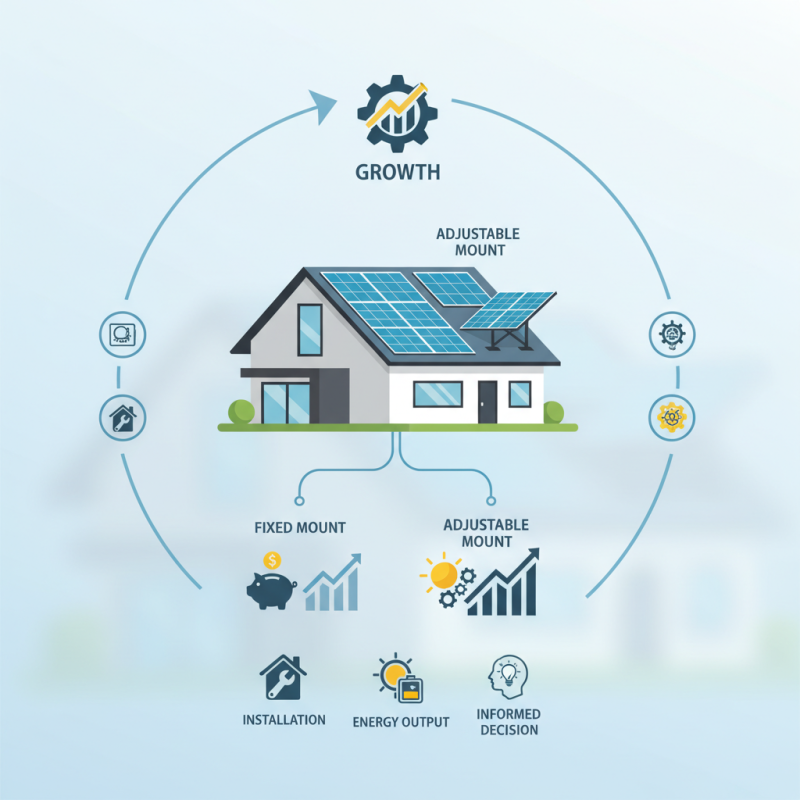
Various materials and designs offer different benefits. For instance, a fixed roof mount can provide a cost-effective solution, while adjustable mounts optimize angles for better sun exposure. Inconsistent installation can lead to inefficiencies. A poorly chosen solar panel roof mount may result in subpar energy outputs, which may lead homeowners to rethink their decisions.
As the renewable energy market evolves, staying informed is essential. Research suggests that a roof mount's orientation can influence performance by as much as 30%. This underscores the need for expertise in selecting an appropriate mounting system. Each decision matters, and learning from past experiences can guide homeowners toward the right choice.
Understanding Different Types of Solar Panel Roof Mounts
When selecting a solar panel roof mount, understanding the different types is essential. There are primarily three types: flush mounts, pole mounts, and tracking mounts. Flush mounts are the most common. They lie flat against the roof and are space-efficient. According to a 2022 study by the Solar Energy Industries Association, flush mounts present a cost-effective solution, making up 80% of all residential installations in the U.S.
Pole mounts are ideal for properties with ample land. They elevate solar panels off the ground, allowing for better sunlight exposure. Their flexibility can make them more effective in certain situations. However, they require more space and installation effort. A recent report highlighted that pole mounts can increase energy output by 25% compared to flush mounts in specific environments.
Tracking mounts follow the sun’s path. This type maximizes efficiency but at a higher cost. Data shows that these systems can boost energy production by 30% over fixed mounts but are less commonly used due to their complexity.
Tip: Evaluate your property and energy needs thoroughly before choosing a mount. It’s vital to consider roof structure, local climate, and available space.
Tip: Consult installation experts to understand the advantages and challenges of each mount type. This can prevent costly mistakes. Always balance energy goals with the budget.
Understanding Different Types of Solar Panel Roof Mounts
Factors to Consider When Selecting a Roof Mount
When selecting a roof mount for solar panels, several factors significantly influence the effectiveness and longevity of your solar energy system. Roof angle is crucial. According to a report from the National Renewable Energy Laboratory, an optimal tilt of 30 degrees can enhance energy production by up to 25%. If your roof is too flat or too steep, it might limit the panels' efficiency.
Material quality is another key consideration. Roof mounts are typically made from aluminum or steel. Aluminum, being lightweight and resistant to corrosion, often wins in longevity. However, strong winds can pose challenges. A study suggested that a poorly secured mount could reduce your system's reliability during severe weather.
Installation is equally important. Professional installation helps mitigate risks associated with improper mounting. The Solar Energy Industries Association reports that nearly 35% of solar panel failures stem from inadequate installation practices. Weighing all these factors carefully will ensure your solar rooftop system remains effective and durable over time.
How to Choose the Best Solar Panel Roof Mount for Your Home? - Factors to Consider When Selecting a Roof Mount
| Factor | Description | Importance Level |
| Mounting Type | Choose between flush mounts, pole mounts, or rack mounts based on your roof type. | High |
| Material | Consider using aluminum or stainless steel for durability and weather resistance. | Medium |
| Wind Resistance | Make sure the mount can withstand local wind speeds to prevent damage. | High |
| Roof Compatibility | Ensure the mount matches your roof structure (tile, metal, shingle). | High |
| Ease of Installation | Some mounts are designed for DIY installation while others may require professionals. | Medium |
| Cost | Compare prices to ensure you are getting a good value based on features offered. | High |
Material and Durability: Choosing the Right Roof Mount
When selecting a roof mount for solar panels, material and durability are key factors. Aluminum and stainless steel are popular choices due to their corrosion resistance. These materials can withstand harsh weather conditions. Consider the lifespan of these materials when making a decision; quality mounts can last 25 years or more.
Tips: Check the mount’s warranty. A longer warranty often indicates better build quality. Also, look for products with certifications. This ensures they meet industry standards.
Don’t overlook installation. Improper installation can lead to issues, even with the best materials. Engaging experienced professionals can prevent potential mistakes. They can help assess roof compatibility, which is critical for durability.
Investing time in research is vital. Look for user reviews and expert recommendations. This helps gauge the reliability of the roof mount. Look out for any common issues mentioned by users. Identifying potential flaws early can save you headaches later.
Installation Options: DIY vs. Professional Services
Choosing between DIY installation and hiring professional services for solar panel roof mounts can greatly impact your solar experience. DIY projects save money but often leave room for error. According to the National Renewable Energy Laboratory, improper installation can reduce panel efficiency by 20%. This drop not only affects performance but also impacts your long-term savings.
On the other hand, professional services bring expertise. They understand local regulations and the best mounting techniques. A study by Solar Power World shows that professionally installed systems can produce 15% more energy than DIY installations. Experts can navigate challenges that an inexperienced installer might overlook. However, the cost can deter many homeowners.
The selection process is complex, requiring careful consideration. DIY may seem appealing, yet the risks involved with poor installation warrant a thorough assessment. Conversely, hiring a professional guarantees quality but at a higher price. Each option carries unique trade-offs that deserve reflection, aligning them with your needs and capabilities.
Budgeting for Your Solar Panel Roof Mount Investment
When budgeting for your solar panel roof mount investment, it’s vital to consider both initial costs and long-term savings. A report from the Solar Energy Industries Association (SEIA) states that the average cost of solar installations in the U.S. dropped by nearly 70% since 2010. This significant decrease means homeowners can expect to pay approximately $3 to $4 per watt of installed solar capacity. Understanding these numbers can help you plan effectively.
Take into account potential financing options. Many homeowners opt for solar loans or leases. A study by the National Renewable Energy Laboratory found that about 75% of installed solar systems today are financed in some manner. This decision impacts monthly payments and overall investment returns. Additionally, many states offer tax incentives and rebates, which vary significantly. The Federal Investment Tax Credit (ITC) allows homeowners to deduct a portion of installation costs, making the investment more accessible.
It's important to reflect on installation choices. A poorly planned installation can lead to inefficient energy production. Reports indicate that the right solar mount can improve energy capture by up to 25%. Investing time in research and consultation can pay off. Balancing immediate costs with potential long-term benefits will help you make better choices. Be cautious and think critically about every aspect of the investment.