What is a CNC Cutting Machine and How Does It Work?
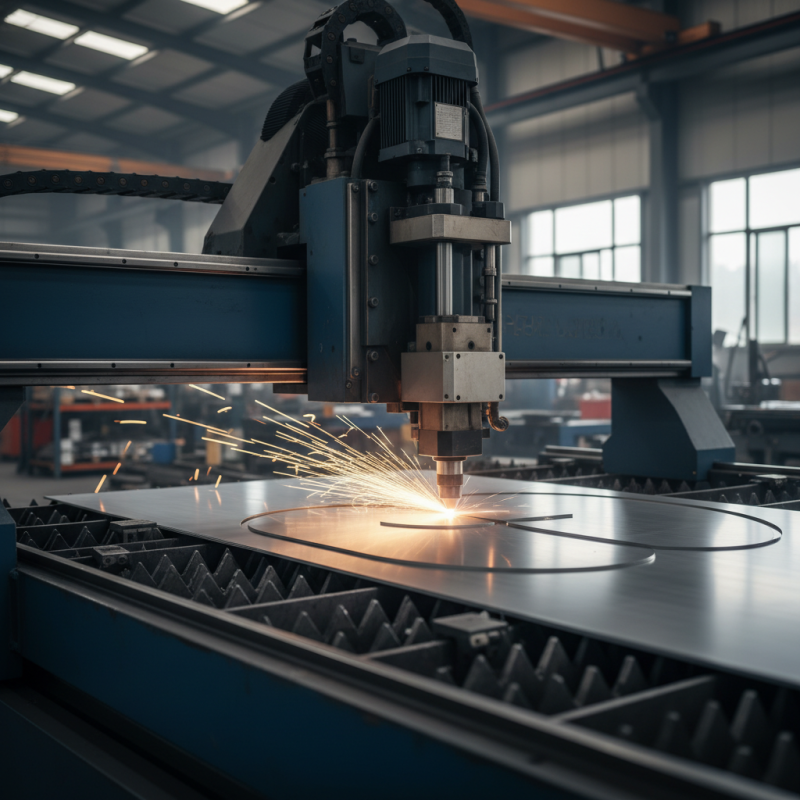
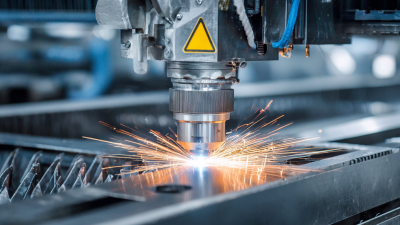
A CNC Cutting Machine is a vital tool in modern manufacturing. It automates the cutting process with precision. These machines use computer numerical control to guide tools for various materials. This results in highly accurate cuts.
CNC Cutting Machines are widely used in industries like aerospace and automotive. They can cut metal, wood, plastic, and more. The ability to create complex shapes quickly is impressive. Notably, they reduce waste and enhance productivity.
However, operating a CNC Cutting Machine requires skill. One must understand programming and tooling. Errors can lead to material waste or faulty products. This reminds us that while technology is advanced, human oversight remains essential. Each cut must be carefully monitored to ensure quality. Embracing the technology comes with responsibilities.
What is a CNC Cutting Machine?
A CNC cutting machine is a precise tool used for shaping materials. CNC stands for Computer Numerical Control. This technology allows for automated cutting processes driven by a computer program. The machine reads a specific code and translates it into movement. Operators can design intricate patterns and shapes that the machine executes with high accuracy.
Typically, CNC cutting machines work with various materials. Common choices are metal, plastic, and wood. They can perform tasks like engraving, milling, and cutting. The versatility of these machines makes them popular in industries like manufacturing and construction. However, programming the machine can be tricky. Even small errors in the code may lead to flawed cuts.
Understanding the capabilities and limitations of a CNC cutting machine is crucial. It requires a balance of creativity and technical skill. Operators may face challenges when fine-tuning designs. Experimentation is often needed to achieve desired outcomes. The possibility of mistakes is part of the learning process, which can lead to innovative solutions in design and manufacturing.
What is a CNC Cutting Machine and How Does It Work?
| Feature |
Description |
| Type of CNC Cutting Machines |
Laser Cutting, Plasma Cutting, Waterjet Cutting, Router Cutting |
| Main Components |
Computer Numerical Control (CNC) unit, Cutting tool, Workpiece, Motion control system |
| Working Principle |
A CNC cutting machine operates by following a programmed set of commands for precise movement and operation of the cutting tool based on a digital design. |
| Applications |
Manufacturing, Automotive, Aerospace, Sign Making, Architecture |
| Advantages |
High precision, Reduced waste, Flexibility in design, Automation of production |
| Common Materials Used |
Metal, Wood, Plastic, Glass, Stone |
Components of a CNC Cutting Machine
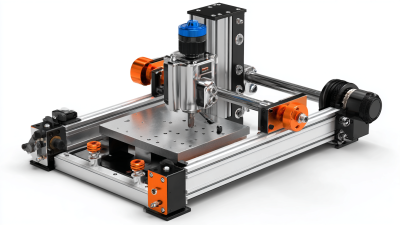
A CNC cutting machine has several key components that work together to achieve precision cutting. The most crucial part is the controller. This computer-based system interprets design files and sends instructions to the machine. It’s essential for precise movements and cuts.
Another critical component is the cutting tool itself. This tool comes in various shapes and sizes, depending on the material. Common materials include metal, wood, and plastic. The type of tool used can affect the quality of the cut. It’s vital to choose the right one.
Tips: Always keep your cutting tools
sharp. Dull tools can lead not only to poor cuts but also to accidents. Additionally, regularly maintain the machine to avoid unexpected downtime. Check cables and mechanical parts frequently for wear. A small issue can lead to bigger problems down the line.
Finally, the
workpiece table holds the material in place. It must be sturdy and level. An uneven table can derail the cutting process. Ensure that it’s properly calibrated before starting any project.
Balance is crucial for achieving the desired results.
How CNC Cutting Machines Work: A Step-by-Step Process
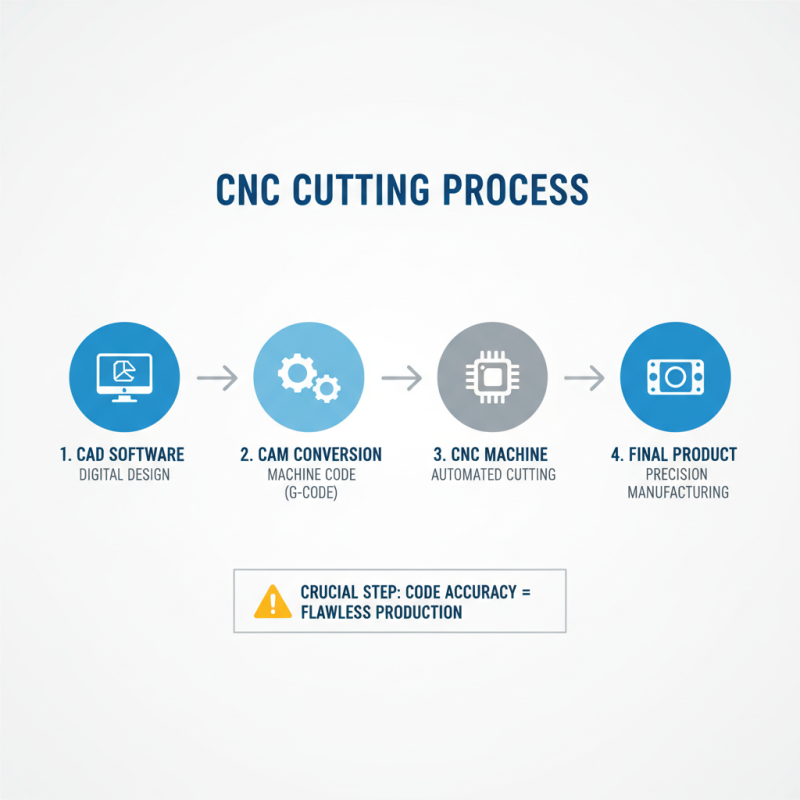
CNC cutting machines have revolutionized manufacturing processes. Their operation is rooted in a precise step-by-step process. First, a digital design is created using computer-aided design (CAD) software. The design is then converted into a format suitable for the CNC machine. This conversion process is crucial, as a small error can lead to significant discrepancies in production.
Next, the CNC machine reads the design file. It translates it into specific movements for cutting tools. These tools can cut through various materials like metal, wood, and plastic. According to industry reports, CNC machines can improve productivity by up to 50%. They offer higher efficiency than traditional methods.
Tips: Regular maintenance of the CNC machine enhances performance and reduces downtime. Ensure that cutting tools are sharp and free of debris. Properly calibrating the machine can prevent inaccuracies. Remember, even small inconsistencies in setup can lead to large errors in the final product.
After the cutting process, the finished parts are often inspected for quality. This final check is crucial to maintain industry standards. The learning curve can be steep for new operators, so ongoing training is essential to maximize the machine's potential.
Types of Materials Cut by CNC Machines
CNC machines are versatile tools used to cut various materials with precision. Understanding the types of materials they can handle is crucial for effective application. Commonly cut materials include metals, wood, plastic, and composites. Each material requires specific cutting techniques.
For instance, aluminum and stainless steel are popular in metal cutting. They are durable and provide a clean finish. Wood cutting is favored for furniture and crafts. It allows for intricate designs but can splinter if not handled properly. Plastics, like acrylic, can be cut easily but often produce frayed edges without the right settings. Composites, such as carbon fiber, need specialized equipment due to their tough structural properties.
Tips: Always test the settings on scrap material first. This helps in understanding how the machine interacts with the material type. Don’t rush the process. Precise cuts often take a little longer but result in better quality. Remember, the wrong speed can ruin not only the material but also the tool.
Many users overlook maintenance. Regular cleaning can extend the life of the CNC machine. Neglecting it may lead to errors in cuts or even equipment failure. Be mindful to calibrate your machine frequently. Taking these steps helps improve overall results.
Applications of CNC Cutting in Various Industries
CNC cutting machines are revolutionizing various industries with their precision and efficiency. The automotive sector, for example, relies heavily on CNC cutting for producing intricate parts. According to a recent report by the International Federation of Robotics, more than 80% of automotive manufacturers use CNC technology to enhance production speed and accuracy. This has led to a significant reduction in waste, although the initial setup can be costly.
In the aerospace industry, CNC cutting plays a critical role in manufacturing components from advanced materials. A report from Markets and Markets indicates that the aerospace CNC machine market is projected to reach $9 billion by 2025. However, not all companies have adapted quickly. Some still struggle with integrating these advanced systems into traditional workflows. The transition to CNC cutting requires a mindset shift, and resistance can often lead to inefficiencies.
The metal fabrication sector also benefits greatly from CNC technology. Precision cutting allows for complex designs that were previously unmanageable. However, many small to mid-sized companies face challenges due to high operational costs. Reports show that over 30% of these companies are hesitant to invest in CNC systems. They worry about ROI without fully understanding the long-term benefits of automation and efficiency. Embracing CNC technology can streamline processes, yet the fear of change holds many back.