What are Conveyor Belt Rollers and How Do They Work?
conveyor belt rollers play a vital role in various industries. These components facilitate the movement of materials across distances, ensuring efficient operations. According to recent industry reports, the global conveyor system market is projected to reach $14 billion by 2026, emphasizing the importance of these rollers.
conveyor belt rollers are not just simple mechanical parts. They are designed to handle heavy loads and operate in challenging environments. This requires attention to material quality and engineering precision. Failures can lead to significant downtimes, affecting the entire production line. Companies must therefore invest in high-quality rollers to ensure longevity and reliability.
The design and maintenance of conveyor belt rollers are often overlooked. However, regular checks can prevent malfunction. With the right maintenance protocols, businesses can reduce costs and enhance productivity. Understanding how and why these rollers work is essential for optimizing conveyor systems. Investing in this knowledge can lead to substantial improvements in operations.
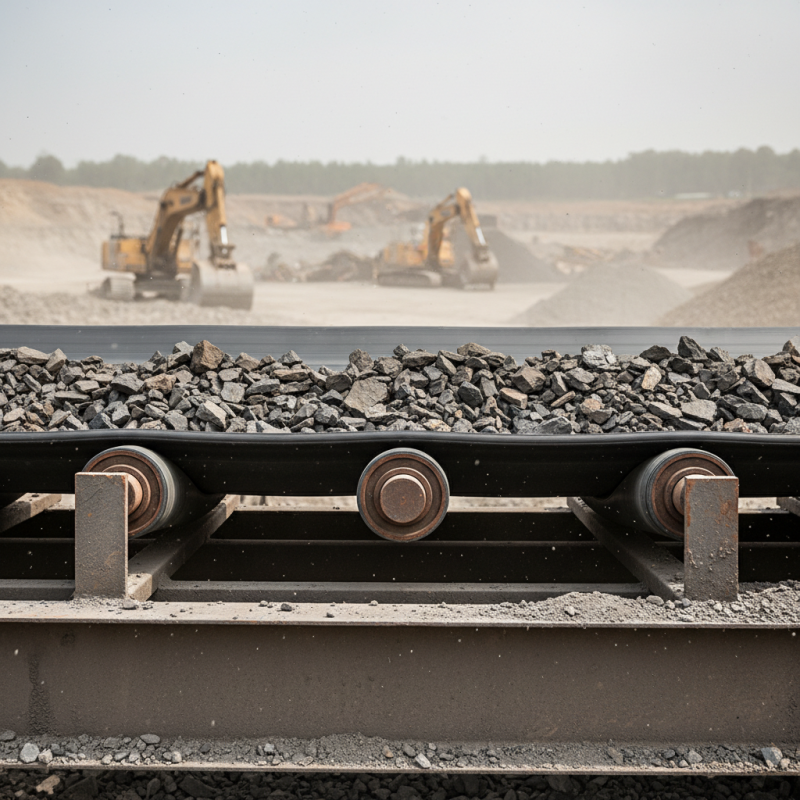
What are Conveyor Belt Rollers?
Conveyor belt rollers are critical components in the material handling industry. They support the weight of the conveying belt and cargo. Rollers reduce friction, ensuring efficient movement of materials across various systems. According to a report by the Conveyor Equipment Manufacturers Association, up to 90% of the conveyor system's energy consumption is used for moving the belt.
These rollers come in various types, including idler rollers and return rollers. Idler rollers are used to support the conveyor belt as it moves. Return rollers help guide the belt back to its starting point. Roller quality directly impacts the efficiency of the entire conveyor system. Poor-quality rollers can lead to increased wear and tear. In some cases, they may need replacement sooner than expected, raising maintenance costs.
While it's easy to overlook these components, their importance cannot be overstated. Many operations fail to regularly inspect their rollers. This can lead to operational inefficiencies. Data indicates that timely roller maintenance can enhance system longevity and reduce downtime by nearly 15%. Understanding conveyor belt rollers is essential for optimizing any material handling system. Detecting issues early can save resources and enhance productivity significantly.
What are Conveyor Belt Rollers and How Do They Work?
| Roller Type | Description | Material | Load Capacity (kg) | Applications |
| Idler Rollers | Support the conveyor belt and reduce friction. | Steel, Plastic | 1000 | Mining, Quarrying |
| Drive Rollers | Powered rollers that drive the conveyor belt. | Steel | 1500 | Package Handling, Manufacturing |
| Return Rollers | Support the return side of the conveyor belt. | Plastic, Rubber | 800 | Waste Management, Agriculture |
| Impact Rollers | Absorb impact from heavy loads on the belt. | Rubber, Steel | 1200 | Construction, Mining |
Types of Conveyor Belt Rollers and Their Functions
Conveyor belt rollers are essential components in material handling systems. They facilitate the smooth movement of materials, ensuring efficient transport. There are several types of conveyor belt rollers, each designed for specific functions.
The most common type is the idler roller. This roller supports the conveyor belt and helps maintain its shape. Idler rollers are crucial in reducing friction, which enhances efficiency. Another type is the drive roller, often found at the end of the conveyor. It powers the belt's movement through motorized action.
Additionally, there are impact rollers that protect the belt from heavy loads. They cushion the belt upon material drop and reduce wear. However, selecting the right roller can be challenging. Each application may require different specifications. Sometimes, users overlook the importance of maintenance. Regular inspection helps to avoid unexpected breakdowns. Understanding roller types can lead to a more productive system.
How Conveyor Belt Rollers Support Material Transportation
Conveyor belt rollers play a crucial role in material transportation. They support the belt itself and allow it to move smoothly. Without these rollers, the efficiency of the entire conveyor system would be compromised. The design of these rollers ensures that they can handle various weights and loads. They act as a foundation, allowing the belt to glide over materials seamlessly.
The functionality of conveyor belt rollers is fascinating. They reduce friction during transportation. When heavy materials are moved, the rollers absorb the weight. However, wear and tear are common issues. Sometimes, roller misalignment occurs, leading to increased friction. This can slow down the entire system. Regular inspection and maintenance are essential to keeping the rollers in top shape. Even small damages can lead to significant delays.
Selecting the right roller type is critical. There are different materials and sizes available, each suited for specific applications. But decisions are often challenging. People might overlook the implications of using the wrong type. This can negatively impact efficiency. Thoughtful consideration is needed when choosing roller configurations. Ignoring these details could cause unnecessary operational issues in the long run.
Mechanisms Behind the Movement of Conveyor Belt Rollers
Conveyor belt rollers are essential components in material handling systems. They play a crucial role in supporting and guiding the conveyor belt. This helps in the smooth transportation of goods. Rollers are typically cylindrical and are mounted on shafts. They rotate to allow the belt to move effortlessly.
The mechanism behind the movement of conveyor belt rollers involves friction and gravity. As the belt moves, it creates a tension that causes the rollers to turn. The design of the roller influences how efficiently this happens. Some rollers have sealed bearings, while others may require lubrication. This can be a challenge; maintaining the right balance of maintenance is crucial. Skipping maintenance can lead to wear and tear.
It is also important to consider the load capacity of the rollers. Overloading can cause the rollers and the entire system to fail. This can lead to costly downtime. Each roller should be carefully selected based on the weight of the materials being transported. Understanding these mechanisms helps in optimizing conveyor system performance.
Understanding Conveyor Belt Roller Performance
This chart represents the key performance metrics of conveyor belt rollers, illustrating aspects such as diameter, load capacity, friction coefficient, speed, and lifespan. Understanding these metrics is crucial for optimizing conveyor systems and ensuring efficient material handling.
Applications of Conveyor Belt Rollers in Various Industries
Conveyor belt rollers play a crucial role in various industries, enhancing operational efficiency. In manufacturing plants, these rollers support heavy loads, enabling smooth movement of materials. Without them, the production line could face delays. The smooth rotation of rollers reduces friction, which helps in conserving energy.
In the agriculture sector, conveyor belt rollers are essential for transporting grains. They simplify processes like loading and unloading. However, they can wear out quickly due to exposure to environmental factors. Regular maintenance is critical to avoid breakdowns.
The mining industry also relies heavily on conveyor belt rollers. They facilitate the transportation of minerals over long distances. Yet, with heavy use, rollers may develop issues. It's important to monitor their condition frequently. Addressing these concerns can lead to more efficient operations and less downtime.