
2026 How to Choose a Solar Cell Cassette?
Choosing the right Solar Cell Cassette in 2026 requires more than comparing price tags. The cassette supports wafer safety, production cleanliness, and stable handling throughout the manufacturing line. A poor choice may create edge chips, particle contamination, or loading delays. Small failures become expensive quickly.
From practical production experience, cassette selection should begin with wafer dimensions and process conditions. Check compatibility with wafer thickness, shape, surface treatment, and expected temperature exposure. Materials should resist cleaning agents without shedding particles or deforming. Pay close attention to slot spacing. Tight spacing can improve capacity, but it may increase contact risks during automated movement. Wider spacing offers safer handling, though it may reduce equipment efficiency.
Automation also changes the decision. A reliable cassette should match robotic arms, sensors, carriers, and transfer stations without forced adjustments. Its base must remain stable when fully loaded. Clear identification, traceability, and repeatable positioning support quality control. Supplier documentation matters, but real samples matter more. Inspect them under production-like conditions.
Do not trust specifications alone.
Before placing a large order, test several units with actual wafers and cleaning cycles. Record particles, scratches, distortion, loading errors, and operator feedback. This step may feel slow. It often prevents a larger mistake. Cost remains important, but total ownership cost includes maintenance, rejected wafers, downtime, and replacement frequency. The best Solar Cell Cassette is not always the cheapest or most advanced option. It is the one that fits your process honestly, performs consistently, and leaves room for future upgrades.
Understanding the Role of a Solar Cell Cassette
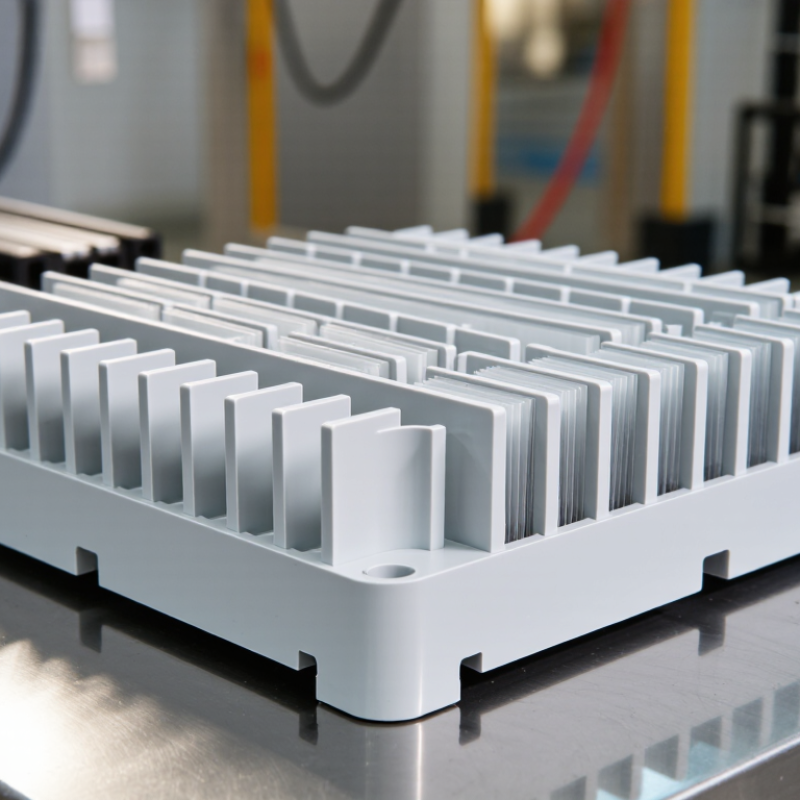
A solar cell cassette is more than a storage frame. It supports delicate cells during loading, transfer, inspection, and processing. Its structure helps reduce edge contact and unwanted movement. This matters because small cracks can grow during later production steps. A well-designed cassette also keeps cells aligned for robots and operators. That alignment improves handling consistency and reduces unnecessary contact.
Material choice affects cleanliness, heat resistance, and service life. The cassette should tolerate the process temperature without warping. Its surfaces should resist particles, chemical exposure, and repeated cleaning. In practice, compatibility is sometimes overlooked. A cassette may fit one cell size but perform poorly after thermal cycling. I have seen alignment problems appear only after extended use. That is why testing under real production conditions remains important.
Tips: Check cell dimensions, thickness, and edge design before selection. Measure the cassette’s flatness after heating. Inspect contact points for marks or pressure damage. Confirm that cleaning methods do not weaken the material. Keep clear records for each cassette’s use and maintenance. Avoid choosing by price alone. A cheaper frame can create higher handling losses later. If possible, test a small batch first. The results may reveal issues that specifications cannot show.
Identifying Key Cassette Types and Their Applications
How to Choose a Solar Cell Cassette?
Identifying Key Cassette Types and Their Applications
Choosing a solar cell cassette starts with the wafer format, process stage, and handling method. Fit comes first. Wafer cassettes commonly support loading, unloading, cleaning, inspection, and temporary storage. Their slots should hold wafers firmly without touching active surfaces. A tight slot can cause edge chipping. A loose slot can create movement during robotic transfer.
For high-temperature diffusion or oxidation, boat cassettes are more suitable. They usually use quartz or other heat-resistant materials. These cassettes must tolerate repeated thermal cycles without warping or contaminating wafers. Vertical designs save floor space and support furnace loading. Horizontal carriers can simplify access during manual inspection. The better choice depends on equipment layout and production volume.
Specialized cassettes serve different applications. Cleaning lines may require chemical-resistant carriers with open structures for drainage. Inspection processes often use low-contact trays to reduce shadows and handling marks. Automated lines need accurate slot spacing, clear alignment features, and stable barcode positions. Small details matter. Heat changes everything.
A practical review should compare cassette weight, cycle life, cleaning compatibility, and replacement cost. Ask for dimensional drawings and material certificates before approval. One often-missed issue is thermal expansion between the cassette and wafer support points. It may look harmless during cold testing, yet cause stress inside a furnace. No design is perfect. Process trials should include damaged wafers, repeated cleaning, and real robotic movements.
Evaluating Size, Material, Capacity, and Compatibility
Choosing a solar cell cassette starts with dimensions, not appearance. Measure cell length, width, thickness, and corner clearance from actual production samples. A few millimeters of error can cause jamming, edge contact, or unstable robotic pickup. Check slot pitch carefully. The cassette must support each cell without bending during loading, transfer, and storage.
Material selection affects cleanliness, stiffness, static control, and long-term wear. Use a material compatible with your cleaning chemicals and process temperature. Smooth, low-particle surfaces matter in high-throughput lines. However, stronger is not always better. A rigid cassette may protect cells, yet transmit shock when operators handle trays roughly.
I once focused too heavily on durability and underestimated particle buildup near the slots. That mistake changed how I inspect cassette surfaces.
Capacity should match the process rhythm, not simply maximize cell count. A full cassette reduces handling frequency but increases load weight and recovery time after a stoppage. Confirm slot quantity, usable spacing, cassette height, and grip points. Compatibility includes robots, conveyors, carriers, cleaning racks, and identification systems.
Review drawings, tolerance data, material traceability, and inspection records. Check relevant process standards when required. Then run a loaded trial with real cells.
Record scratches, movement, contamination, and pickup failures. Specifications can look complete. They are not always complete. A small clearance problem may appear only after repeated heating, cleaning, and handling cycles.
Comparing Handling, Protection, Cleanliness, and Automation Features
Choosing a solar cell cassette starts with wafer handling, not appearance. In production, a slight slot misalignment can create edge chips during loading. A cassette should support the wafer without point pressure. Its frame must remain stable during robotic transfer and manual inspection. This matters more as wafer thickness decreases. The 2024 International Technology Roadmap for Photovoltaics reports continued pressure toward thinner silicon wafers, commonly around 130–150 micrometers in advanced production.
Protection also depends on movement control. Tight slots reduce wafer sway, but excessive contact can increase scratches and particles. Open designs improve visibility and cleaning access. However, they may expose wafers to airflow and accidental contact. The IEA PVPS Trends 2024 report recorded more than 400 GW of new photovoltaic capacity in 2023. That scale increases pressure on uptime, yield, and repeatable cassette performance. Small handling losses become expensive quickly.
Cleanliness requires compatible materials, smooth surfaces, and validated washing procedures. A cassette should tolerate repeated cleaning without shedding particles or warping. Automation features deserve equal attention. Barcode or RFID identification, robot-friendly geometry, and presence sensors can reduce mix-ups. Yet automation is not automatically better. Poorly calibrated sensors create false stops. No cassette is perfect. Operators should test loaded cassettes under real vibration, temperature, and cleaning conditions, then review breakage and particle data instead of trusting a specification sheet alone.
Selecting the Best Cassette for Your Production Process
How to Choose a Solar Cell Cassette?
Selecting the Best Cassette for Your Production Process
A solar cell cassette should match the complete production flow, not just the wafer size. Begin with slot spacing, cassette capacity, and loading direction. These details affect handling speed and breakage rates. A tight fit can scratch wafer edges. Excessive clearance may allow movement during transfer. Check compatibility with robots, conveyors, and inspection equipment before approving a design.
Material selection also requires practical testing. The cassette should resist process chemicals, cleaning agents, heat, and repeated drying cycles. Low-particle materials help protect sensitive cell surfaces. Smooth internal walls reduce contact marks. Ask for dimensional inspection data and chemical-resistance evidence. Do not rely only on a supplier’s general specification sheet. Test samples under real production conditions.
Traceability matters when defects appear. Choose a cassette with a readable identification area and stable geometry after repeated use. In one evaluation, a cassette looked suitable on paper but warped slightly after thermal cycling. That small change disrupted automated loading. It was not a dramatic failure, yet it created costly pauses. This is why pilot testing should include full loads, maximum cycle counts, and cleaning procedures. No cassette is perfect. The best choice is the one whose limitations are measured, documented, and manageable within your process.
2026 How to Choose a Solar Cell Cassette?
Selecting the Best Cassette for Your Production Process
Cassette pocket geometry should match the wafer format used on the production line. As wafer dimensions increase, the required pocket opening and cassette footprint also increase. The chart compares the nominal face area of common square silicon wafer formats.
Data basis: common square PV wafer formats; face area is calculated as wafer side length × wafer side length. Confirm wafer thickness, edge profile, slot pitch, capacity, material compatibility, and automation interface before final selection.
