What is Locking Tie Down Straps and How to Choose Them?
Locking Tie Down Straps are essential tools for securing cargo during transportation. These straps feature a locking mechanism that ensures your load stays firmly in place. Choosing the right ones can prevent accidents and damage to your goods.
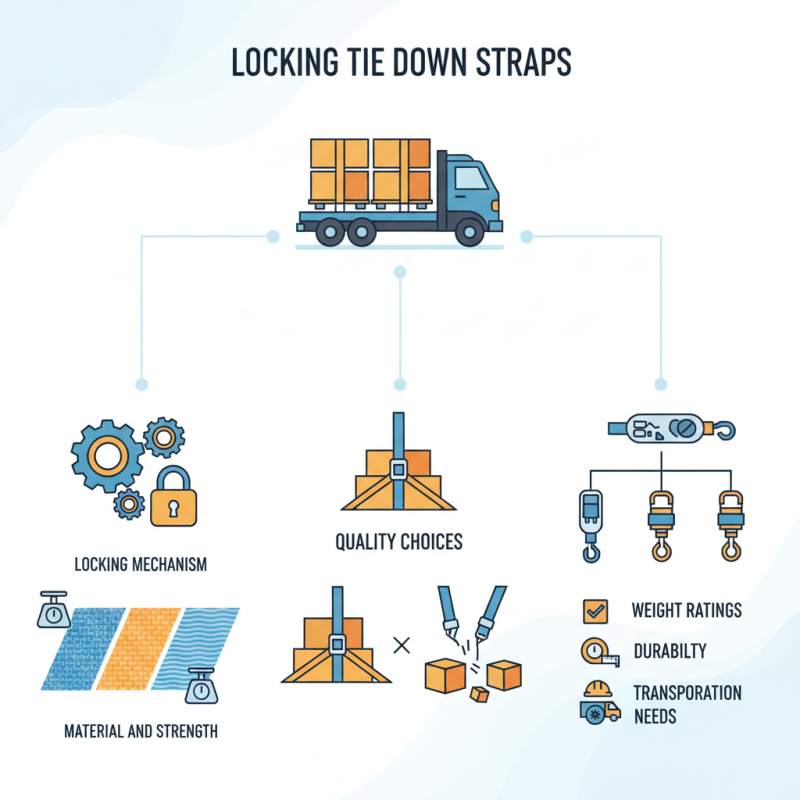
When selecting Locking Tie Down Straps, consider their material and strength. Not all straps are created equal, and using the wrong type can lead to failure. Look for durable fabrics that can withstand tension. Pay attention to the weight ratings as well.
While many people overlook the importance of quality, poor choices can have serious consequences. A broken strap can lead to cargo loss. In this guide, we will explore the types of Locking Tie Down Straps available and tips for making the best decision. You'll gain valuable insights for your transportation needs.
What Are Locking Tie Down Straps?
Locking tie down straps are essential for securing items during transport. They are designed to keep cargo in place, preventing any shifting that might lead to damage. These straps come with a locking mechanism that ensures a tight grip. Users can rest assured knowing their load is held securely.
When selecting locking tie down straps, consider material strength. Look for straps that are durable and resistant to wear. Nylon and polyester are common choices. The length of the strap is also crucial. Ensure it can accommodate the size and weight of your cargo. A strap that is too short might not provide enough security.
**Tips:** Always check the weight rating of the strap. This ensures it can handle your cargo's weight. Inspect for any signs of wear before use. Fatigue in the fabric could lead to failure. Ensure the locking mechanism operates smoothly. A faulty lock can defeat the purpose of using a tie down strap.
Locking Tie Down Straps Usage Comparison
Key Features of Locking Tie Down Straps
Locking tie down straps are essential tools for secure transport. They ensure that loads remain in place during travel. When choosing these straps, you should consider several key features.
The material is crucial. High-quality nylon or polyester provides strength and durability. Look for straps with reinforced stitching. This feature enhances their longevity and load capacity. The locking mechanism is another vital aspect. A good lock should be easy to operate yet secure enough to prevent unintentional release. Also, check the strap's length and width. Longer and wider straps distribute weight better, minimizing the risk of damage.
Weight ratings matter too. Each strap has a specific load limit. Ensure your straps can handle the weight of your cargo. Safety features, like reflective stitching, increase visibility during low-light conditions. Moreover, consider user-friendliness. Some designs may look appealing but are complex. A straightforward design can save time and frustration. Always read user reviews. They can provide insights into performance and durability. Remember, a well-chosen strap will give peace of mind during transport.
Types of Locking Tie Down Straps Available
Locking tie down straps are essential for securing cargo safely during transport. Choosing the right type is crucial to ensure reliability. The two most common types available in the market are ratchet straps and cam buckle straps. Both serve different needs and tasks in the hauling process.
Ratchet straps are designed for heavy-duty applications. They are adjustable and provide a tight grip that minimizes movement during transit. The ratchet mechanism allows users to tighten the strap securely, providing peace of mind. In contrast, cam buckle straps are easier to use. They are suitable for lighter loads. This simplicity makes them a good choice for quick securing tasks.
Selecting between these types can be tricky. Consider the weight of your cargo and the conditions during transport. Sometimes, the choice boils down to personal preference. Think about how often you'll use the strap and the specific scenarios it will encounter. Experimenting with both types might lead to discovering which fits your needs better. Understanding their features can lead to more effective transport solutions.
How to Choose the Right Locking Tie Down Strap
Choosing the right locking tie down strap can significantly enhance your securing tasks. To start, consider the strap's material. Polyester and nylon are common options, offering different strengths and flexibility. Polyester tends to resist UV rays better, while nylon may stretch under heavy loads. Think about your specific needs. Are you securing lightweight items, or do you need something robust for heavier cargo?
Next, examine the strap's width and length. Wider straps distribute weight more evenly. They will give you added grip, reducing the risk of slippage. Length is crucial as well; a strap that’s too short won’t secure items effectively, and one that’s too long could create excess slack. Pay attention to weight ratings. Each strap should clearly indicate its load capacity, ensuring safety during transport.
Locking mechanisms are also essential. A reliable lock should withstand pressure and ensure the strap remains secure throughout its use. Clips and buckles vary in design; some may be easier to operate than others. It's important to choose a mechanism that you're comfortable using, especially when you’re in a hurry. Reflect on these choices as you shop; the right strap can save you time and frustration in the long run.
What is Locking Tie Down Straps and How to Choose Them?
| Feature | Description | Recommended Use | Weight Capacity |
| Material | Typically made from durable nylon or polyester, offering strength and flexibility. | Hauling heavy goods in trucks, trailers, or moving vans. | Up to 3,000 lbs |
| Locking Mechanism | Features a locking buckle to prevent accidental release, ensuring stability. | Securing cargo during transport, especially in high-vibration conditions. | Up to 1,500 lbs |
| Length Options | Available in various lengths, typically ranging from 8 feet to 30 feet. | Flexibility for securing different sizes and shapes of cargo. | N/A |
| Width | Common widths include 1 inch, 2 inches for added strength. | Use in various hauling applications, choose width based on load type. | N/A |
| End Fittings | Comes with various end fittings like hooks, loops, or plates for versatility. | Choose based on truck or trailer anchor point compatibility. | N/A |
Safety Tips for Using Locking Tie Down Straps
Locking tie down straps are essential tools for securing cargo safely during transport. When using these straps, safety should always be the top priority. According to a report by the National Highway Traffic Safety Administration (NHTSA), improper cargo securement contributes to over 25% of all truck accidents. Understanding how to use locking tie down straps correctly can significantly reduce these risks.
One vital safety tip is to ensure the straps are tightly secured. Loose cargo can shift and cause accidents. Always inspect the straps before and after use. A study from the Federal Motor Carrier Safety Administration (FMCSA) indicated that regular inspections can improve safety by 30%. Additionally, avoid exceeding the manufacturer's weight limit. Overloading straps can lead to breakage and failure, posing serious hazards on the road.
Educating yourself about proper tie-down techniques is crucial. Straps should be routed around stable points on the cargo. This helps distribute the load evenly. Incorrect methods can lead to accidents. It’s important to remember that even slight mistakes can have significant consequences. Take the time to reassess your method if you encounter difficulties. Safety is not just about having the right tools; it’s about using them wisely and with care.