
Top 10 Trends in Industrial Machinery Manufacturing Today?

Industrial Machinery Manufacturing stands at the intersection of innovation and tradition. As industries evolve, so do the tools that drive them. Today, manufacturers are adapting to rapid technological changes and market demands. This dynamic environment shapes their strategies and practices.

Emerging trends are reshaping the landscape of Industrial Machinery Manufacturing. Automation, for instance, enhances productivity but may lead to job displacements. Sustainability is another focus, where companies strive to reduce waste and improve energy efficiency. However, balancing profit and eco-friendliness poses challenges.

Digital transformation plays a key role, yet many firms struggle with implementation. The rise of smart machinery offers potential benefits, but also raises concerns about cybersecurity. As we explore these trends, it’s essential to reflect on their implications for the future of Industrial Machinery Manufacturing. This complex field requires a keen understanding of both opportunities and potential pitfalls.
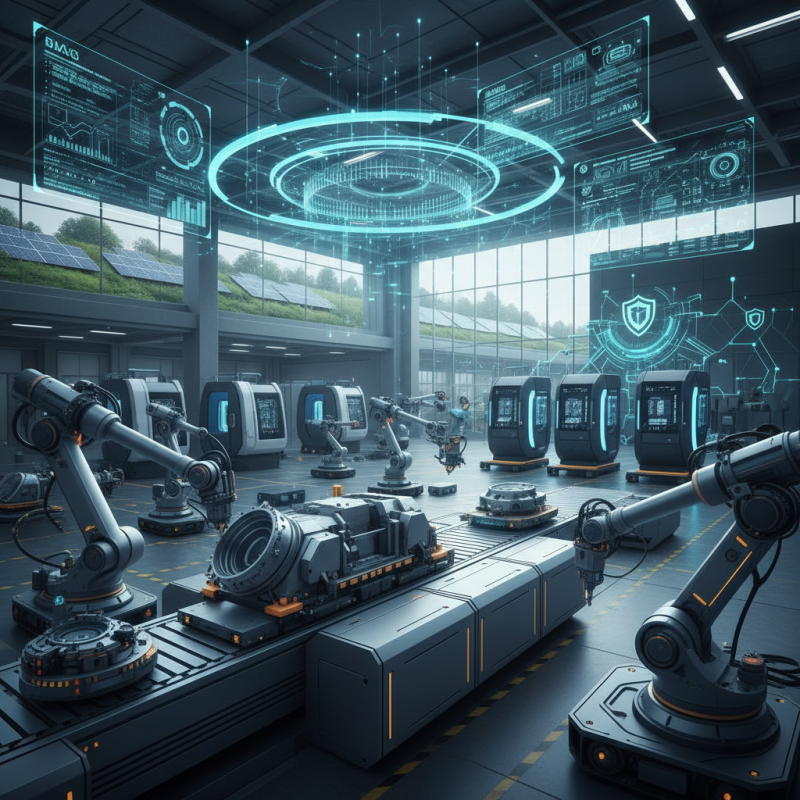
Top 10 Trends in Industrial Machinery Manufacturing Today?

Emergence of Smart Manufacturing Technologies in Machinery Production

The rise of smart manufacturing technologies has dramatically transformed the industrial machinery manufacturing landscape. Innovations like IoT devices and AI-driven analytics are becoming mainstream. According to a report by Deloitte, 76% of manufacturers are investing in smart technology. These tools enhance productivity and streamline production processes.

Smart manufacturing allows for real-time monitoring of machinery and production efficiency. By harnessing data analytics, companies can predict maintenance needs and reduce downtime. Reports show that predictive maintenance can save up to 30% in maintenance costs. This proactive approach improves operational reliability and efficiency.

Tip: Implementing smart technologies requires careful planning. Start small and scale gradually. Assess your machinery compatibility with new technologies to ensure seamless integration. Engage with your workforce to address any skills gaps. Embrace a culture of continuous improvement in adopting these innovations.

Integration of IoT for Enhanced Machinery Performance and Monitoring

The integration of IoT in industrial machinery manufacturing is a game changer. Industries are adopting IoT technologies to enhance machinery performance and monitoring. According to a recent report by MarketsandMarkets, the IoT in manufacturing market is expected to grow to $384.8 billion by 2028, reflecting a compound annual growth rate (CAGR) of 24.7%. This growth illustrates how businesses recognize the need for smarter, more connected machinery.

IoT devices collect real-time data on machinery performance. This data allows companies to predict maintenance needs and reduce downtime. A study by McKinsey reveals that predictive maintenance can reduce maintenance costs by 10-40% and increase asset uptime by 5-10%. However, integrating these technologies can be challenging. Many companies struggle with data management and security. Ensuring data integrity and protecting against cyber threats require ongoing attention.

**Tip:** Invest time in training staff on IoT systems. Proper training can boost productivity and reduce errors.

Moreover, understanding the insights from the data collected is crucial. Many organizations face difficulties in extracting actionable insights from their data. It is essential to implement the right analytics tools to translate data into meaningful strategies.

**Tip:** Regularly review your IoT strategy. Adjusting it based on performance metrics can lead to improved efficiency.

Top 10 Trends in Industrial Machinery Manufacturing Today

This chart illustrates the trends in industrial machinery manufacturing, focusing on the integration of IoT for enhanced machinery performance and monitoring. The data represents the percentage adoption of various technologies in the sector.

Sustainability Practices in Industrial Machinery Manufacturing

Sustainability is transforming the industrial machinery manufacturing sector. According to a report by the International Energy Agency, these practices can reduce carbon emissions by up to 20%. Companies are adopting energy-efficient technologies to cut down waste. This approach not only benefits the environment but also enhances cost efficiency in operations.


Integrating renewable energy sources is another trend. A significant percentage of manufacturers are investing in solar and wind energy. This shift helps in lowering energy costs and reducing dependence on fossil fuels. However, many companies still face challenges in making this transition. It requires substantial initial investment and changes in operational practices.


Tips: Start small with energy audits. Identify areas for improvement. Engage employees in sustainability initiatives. Promote a culture of environmental responsibility. Investing in training can yield long-term benefits. Research indicates that organizations prioritizing sustainability can improve their brand image and customer loyalty.

Adoption of Advanced Robotics for Increased Efficiency

The industrial machinery sector is evolving rapidly. Advanced robotics play a central role in this transformation. These robots enhance operational efficiency and minimize human error. They automate repetitive tasks, freeing up skilled workers for more complex duties. Integration of robots can result in faster production times and improved product quality.

However, the adoption of robotics is not without challenges. Many companies face a steep learning curve when implementing these technologies. Technical issues can arise, leading to downtime and frustration. Furthermore, workforce training is crucial; employees must adapt to new roles and technologies.

While advanced robotics promise increased output, a thoughtful approach is vital. Companies must balance automation with the need for human oversight. Continuous evaluation of robotic systems is essential. This ensures that they meet expectations and adapt to changing needs. Embracing robotics in machinery manufacturing requires careful planning and a willingness to learn from setbacks.

Top 10 Trends in Industrial Machinery Manufacturing Today: Adoption of Advanced Robotics for Increased Efficiency

Trend Description Impact on Efficiency Adoption Rate (%)
Collaborative Robots (Cobots) Robots designed to work alongside human workers for enhanced productivity. Increases productivity by reducing manual labor. 30%
Automated Quality Control Implementation of robotic systems for real-time quality assessment. Reduces defects and enhances overall product quality. 45%
Predictive Maintenance Using robotics to predict equipment failures before they happen. Minimizes downtime and extends machinery lifespan. 35%
Flexible Manufacturing Systems Robotics that can adapt to different production tasks. Increases versatility and responsiveness to market demand. 40%
Enhanced Safety Measures Use of robotics to perform dangerous tasks rather than human workers. Lowers workplace injuries and improves employee well-being. 50%
Artificial Intelligence Integration Combining robotics with AI for smarter manufacturing processes. Optimizes operations and decision-making in real time. 25%
Supply Chain Automation Robots managing logistics and supply chain activities. Enhances overall supply chain efficiency and reduces costs. 38%
Robot as a Service (RaaS) Subscription-based robotic solutions for manufacturing. Reduces upfront costs and allows for easier scaling. 20%
Advanced Analytics Using data analytics to optimize robotic performance. Enhances operation efficiency and reduces waste. 55%

Customization Trends Driving Demand in Industrial Machinery Solutions

Customization is becoming a significant driving force in industrial machinery manufacturing. Manufacturers now focus on individual needs over standard solutions. This shift leads to higher customer satisfaction. Buyers want machinery that fits their specific applications. Off-the-shelf products often fail to meet these unique requirements. Customization allows for tailored specifications that enhance efficiency and functionality.

By adopting flexible manufacturing processes, companies can respond quickly to market demands. Technologies such as additive manufacturing and CNC machining support this agility. However, customization presents challenges. Balancing efficiency with personalized production can strain resources. A failure to manage this balance may result in longer lead times or increased costs.

There is also a growing need for skilled workers who can implement customized solutions. As technology evolves, training programs must adapt. Companies that overlook this risk falling behind competitors. Ensuring a skilled workforce will support customization efforts and drive innovation forward. Embracing change requires a cultural shift within organizations, which can be difficult but essential for success.